Why One Postpartum Visit Isn’t Enough: A Physical Therapy Perspective on ACOG’s New Recommendations
Postpartum Pelvic Floor Specialists - Holly Springs, NC
For decades, postpartum care in the United States has largely centered around a single follow-up appointment at six weeks after delivery. While this timeline has been considered “standard,” it doesn’t reflect the complexity of recovery after pregnancy and childbirth. Recognizing this gap, the American College of Obstetricians and Gynecologists (ACOG) updated its guidelines to recommend a more comprehensive, ongoing approach to postpartum care, one that begins earlier and continues as needed.
From a physical therapy perspective, this shift is not only welcome, it’s essential.
Postpartum Recovery Is Not One-Size-Fits-All
The traditional six-week visit implies that recovery follows a predictable, linear path. In reality, postpartum healing varies widely. Whether someone had a vaginal delivery or cesarean birth, their recovery can involve:
- Pelvic floor dysfunction
- Core weakness or diastasis recti
- Low back, hip, or pelvic pain
- Urinary or fecal incontinence
- Pain with intercourse
- Postural changes and movement compensations
Many of these issues begin well before six weeks or persist long after. Waiting for a single clearance point can delay care and prolong symptoms.
ACOG’s Updated Approach
ACOG now recommends that postpartum care be viewed as an ongoing process rather than a one-time checkup. Key elements include:
- Initial contact within the first 3 weeks postpartum
- Continued care as needed, with a comprehensive visit no later than 12 weeks
- Individualized, patient-centered follow-up
This model better reflects the realities of recovery and opens the door for earlier intervention, especially from rehabilitation professionals.
Where Physical Therapy Fits In
Physical therapists, particularly those specializing in pelvic health, are uniquely positioned to support postpartum individuals throughout this extended care window.
Early intervention can help:
- Restore pelvic floor function
- Improve core strength and coordination
- Address pain and mobility limitations
- Support safe return to exercise and daily activities
- Prevent long-term dysfunction
Just as importantly, early movement and guided exercise play a meaningful role in mental health. Research shows that gentle, progressive activity in the postpartum period can help reduce the risk and severity of postpartum mood disorders, including postpartum depression and anxiety. Supporting patients in reconnecting with their bodies—safely and confidently—can have benefits that extend well beyond the physical.
Importantly, physical therapy isn’t just for those experiencing obvious symptoms. Proactive care can identify subtle impairments before they become more significant issues.
What We Do at Evolve Physical Therapy
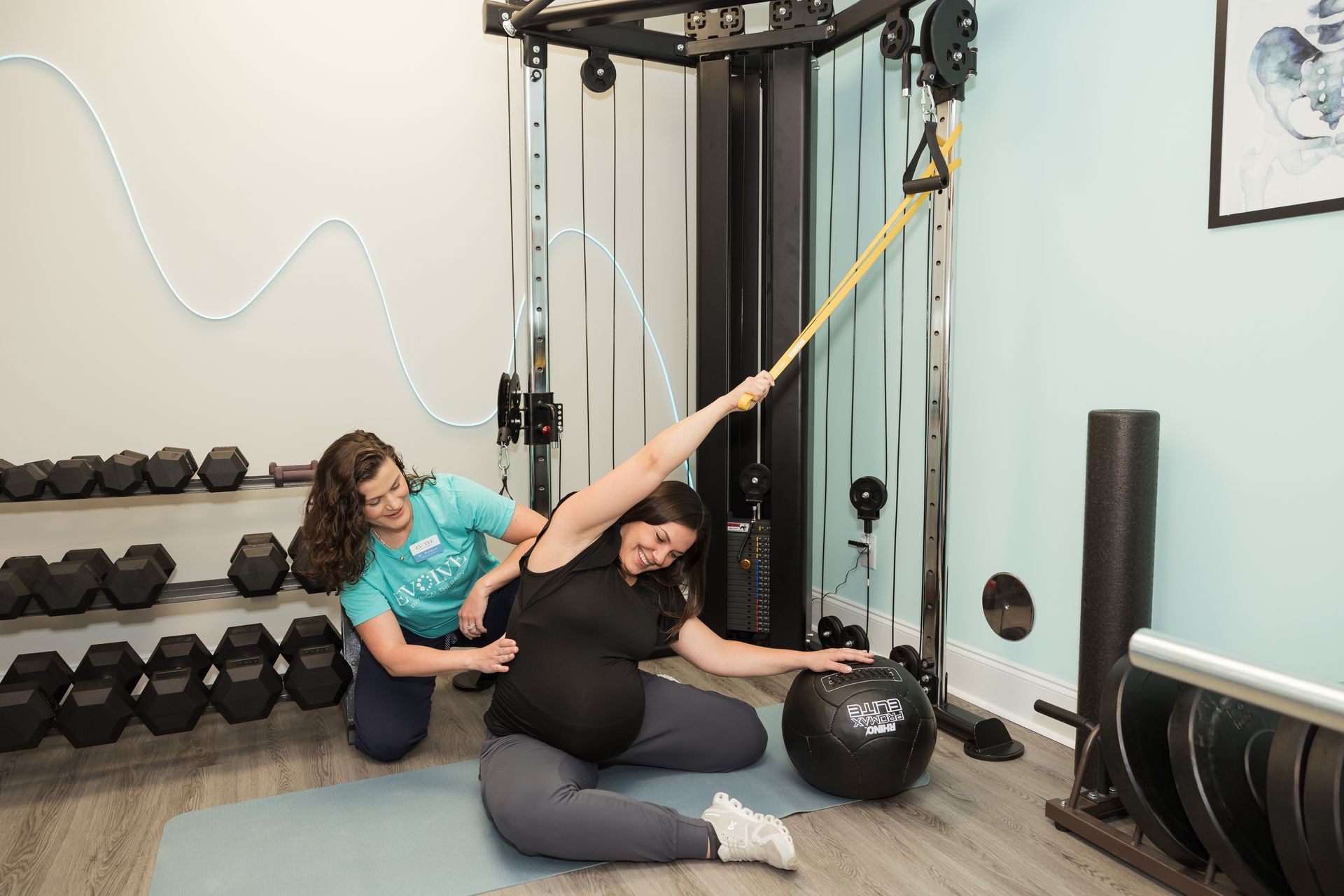
At Evolve Physical Therapy, we align closely with ACOG’s updated recommendations by initiating care earlier in the postpartum period. We typically schedule an initial physical therapy visit around 2 weeks postpartum for both cesarean and vaginal deliveries.
This early visit is gentle, individualized, and focused on:
- Education around healing timelines and expectations
- Breathing, core, and pelvic floor connection
- Safe movement strategies for daily activities (like lifting, feeding, and carrying)
- Early identification of any concerns that may benefit from ongoing care
Beginning physical therapy at two weeks allows us to support recovery proactively, rather than waiting until symptoms become more significant or limiting.
Bridging the Gap in Care
Despite ACOG’s updated recommendations, many patients are still unaware that ongoing postpartum support is available—or that physical therapy is an option. This creates an opportunity for healthcare providers to educate and advocate.
Collaborative care between OB-GYNs, midwives, and physical therapists can ensure that postpartum individuals receive the support they need, when they need it.
A New Standard of Care
Shifting away from the single six-week visit is more than a guideline update, it’s a cultural change in how we view postpartum health. Recovery doesn’t end at six weeks, and care shouldn’t either.
As physical therapists, we have a vital role in helping individuals navigate this transition with strength, confidence, and resilience.
Because postpartum recovery deserves more than a checkbox, it deserves ongoing care.