By Dr. Rebecca Acevedo, PT, DPT
•
June 1, 2026
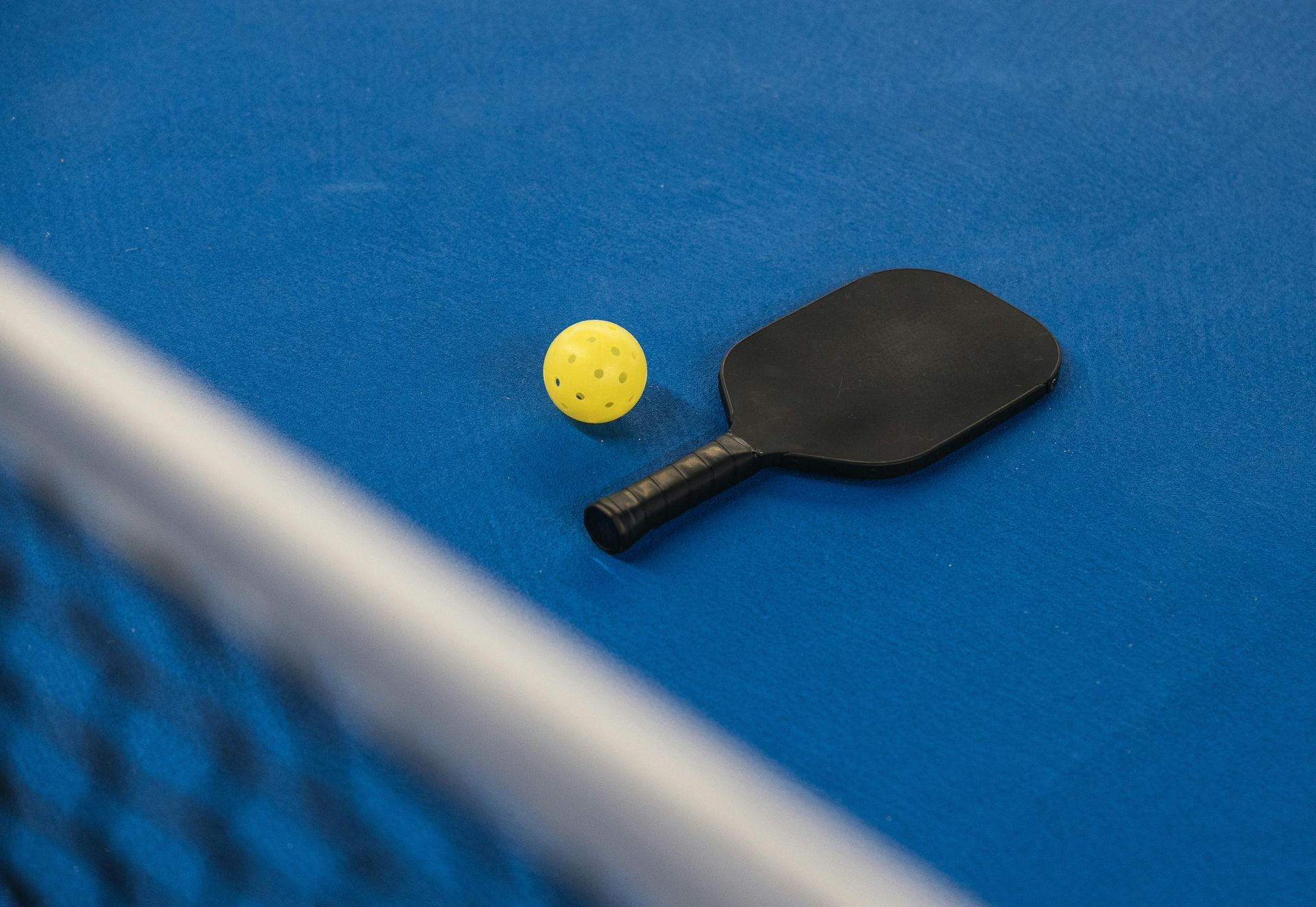
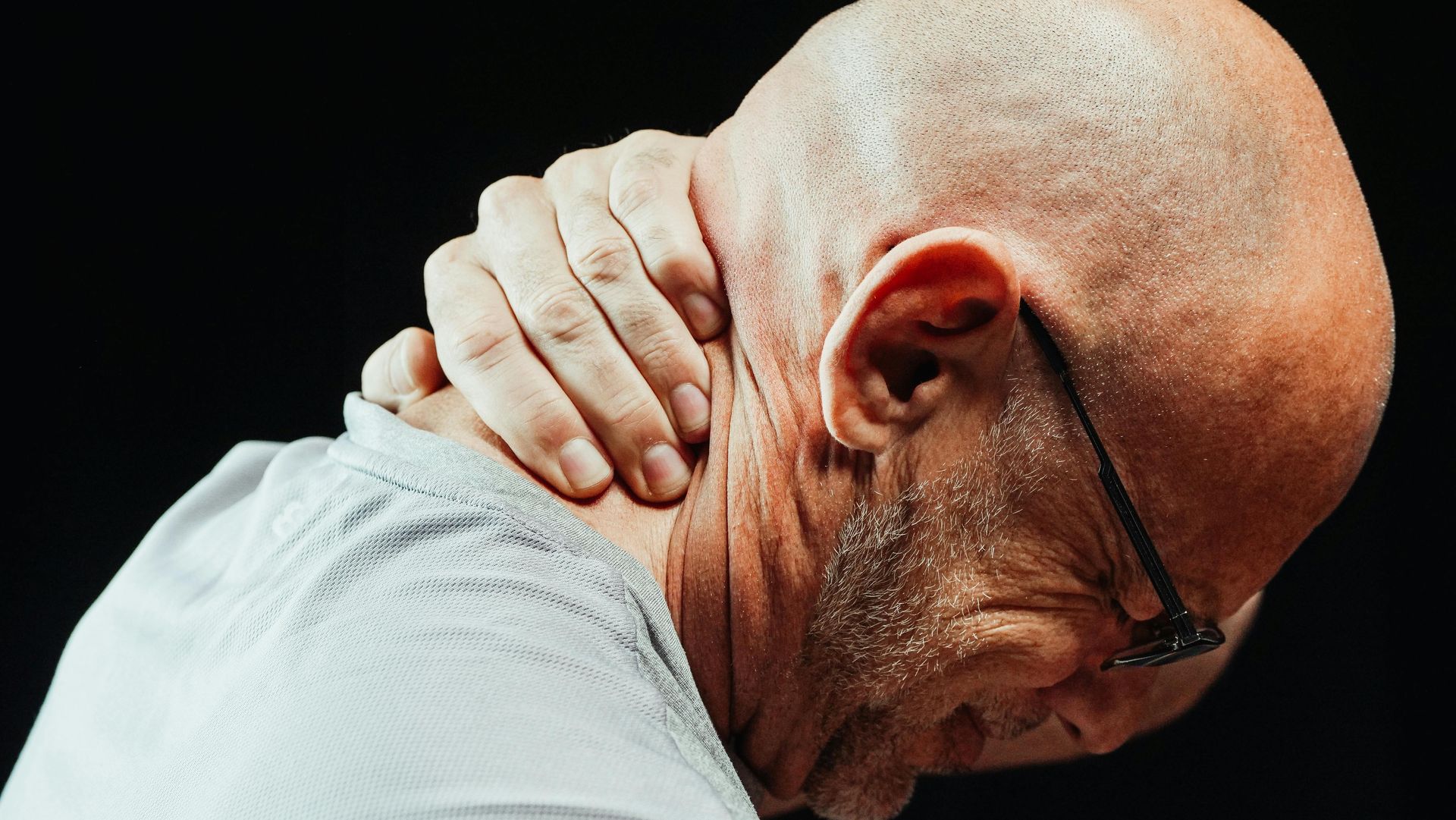
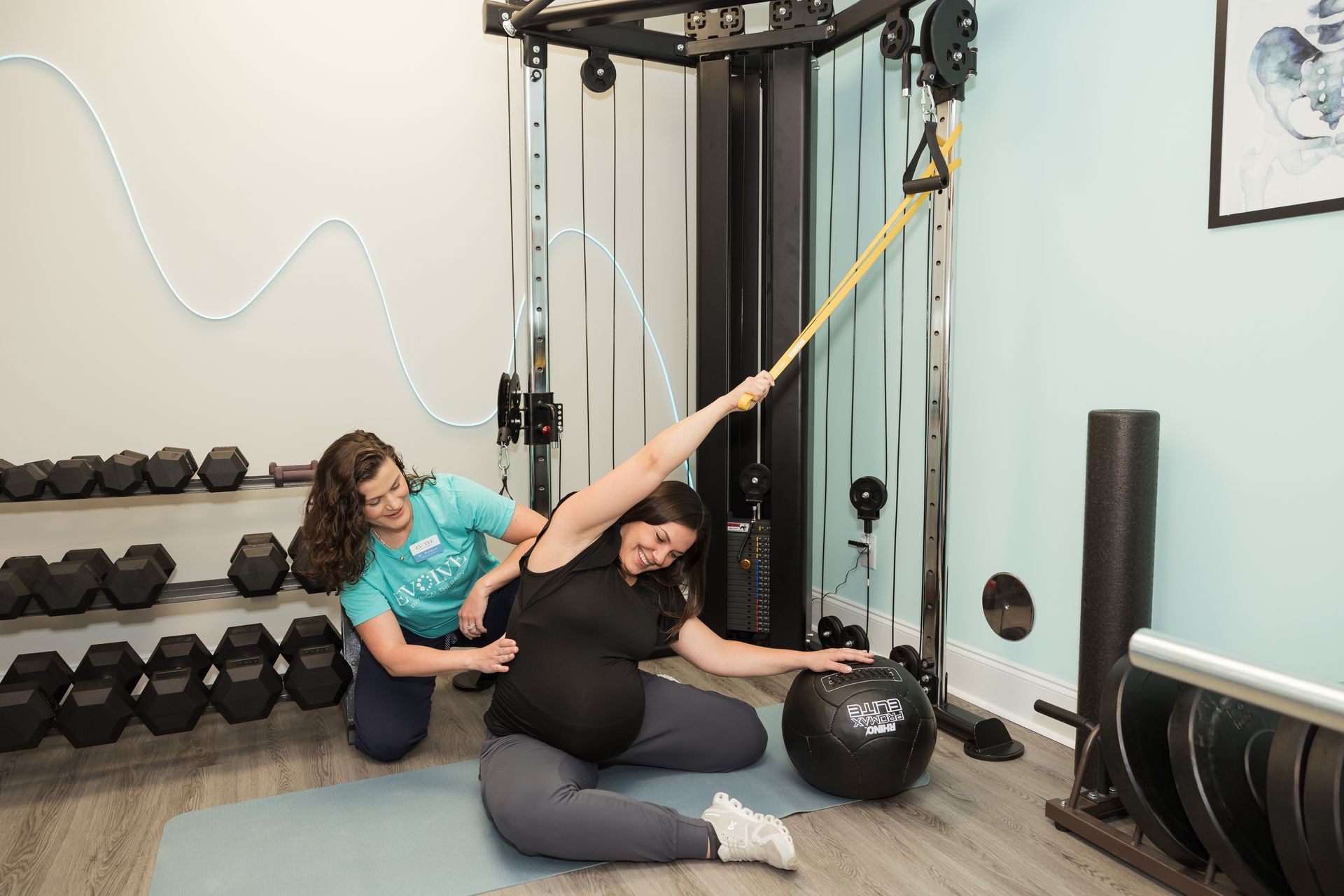
You discovered pickleball. Maybe a neighbor dragged you out, or you spotted a court on your morning walk and got curious. Either way, you're hooked — and you're not alone. Pickleball is now the fastest-growing sport in the U.S., and for good reason. It's social, competitive, and genuinely fun. But here's the thing nobody warns you about when you pick up that paddle: your body is working harder than it looks. We're seeing more pickleball players walk through our doors than ever before, and the injuries range from minor annoyances to the kind that sideline you for months. The good news? Most of them are preventable. Let's talk about what's happening out there on the court and what you can actually do about it. The Pickleball Body Check: What's Really Being Asked of You Pickleball might look like a slower, smaller version of tennis, but don't let the compact court fool you. The sport demands rapid direction changes, explosive lateral shuffles, overhead swings, and a whole lot of forward lunging toward the kitchen line. That combination puts serious stress on your knees, shoulders, ankles, and lower back — often in the same rally. Emergency department visits for pickleball injuries jumped from roughly 1,300 in 2014 to over 24,000 in 2023. And the population playing? Largely adults over 50, a group that's more susceptible to the wear-and-tear that accumulates quietly before something finally gives. The Most Common Injuries We See Knee pain tops the list, accounting for nearly 30% of pickleball injuries. The repeated stop-and-start movements, combined with lunging, put a heavy load on the knee joint and surrounding tendons. Patellar tendinopathy (think: achy pain just below the kneecap) is extremely common, especially in players who ramped up their game quickly. Shoulder issues come in close behind. That dinking motion looks harmless until you've done it 400 times in a week. Rotator cuff strains and biceps tendon irritation show up regularly in players who skip a warm-up or swing with poor mechanics. Ankle sprains are often the result of quick lateral moves on uneven outdoor courts, or simply misjudging a step near the baseline. "Pickleball elbow" — yes, it's a thing — is essentially the same lateral epicondylitis (tennis elbow) most people know, caused by repetitive gripping and wrist extension during groundstrokes and volleys. Falls deserve their own mention. They account for nearly 63% of all pickleball-related emergency visits. Moving backward and lunging sideways are the top culprits. If your balance or reaction time isn't where it used to be, that's something a physical therapist can directly address. What Physical Therapy Actually Does for Pickleball Players Here's the part that surprises a lot of people: physical therapy isn't just for after you get hurt. It's one of the best tools for keeping you on the court in the first place. When you're already injured , a PT evaluates not just the painful spot but everything connected to it. A knee problem often traces back to hip weakness or poor ankle mobility. Treating only where it hurts misses the bigger picture. Your therapist will use hands-on techniques — joint mobilization, soft tissue work, dry needling — alongside a targeted exercise program to get you back to full function, not just "good enough." When you want to stay healthy , a PT can spot movement problems before they become injuries. We call these "movement screens," and they're eye-opening. A lot of players have no idea they have limited hip rotation or weak glutes until we actually test for them. 4 Things You Can Start Doing This Week You don't have to wait for an injury to make changes. These are the things we recommend to every pickleball player, beginner or seasoned: 1. Warm up like you mean it. A five-minute walk from the parking lot doesn't count. Spend 10 minutes doing leg swings, hip circles, light lateral shuffles, and arm circles before you pick up a paddle. Your joints need to be warm before they're loaded. 2. Build your hip and glute strength. Weak hips are behind a surprising number of knee and lower back complaints. Side-lying clamshells, single-leg deadlifts, and lateral band walks aren't glamorous, but they work. Three sets, two to three times a week off the court. 3. Work on your balance. Stand on one foot for 30 seconds. Easy? Try it with your eyes closed. Balance training directly reduces your fall risk on the court and improves your footwork in the process. It takes five minutes and you can do it while brushing your teeth. 4. Don't ignore the small stuff. That nagging achiness in your elbow or the twinge in your shoulder after a session? That's your body sending an early signal. Get it looked at before it becomes a full-on problem. Early intervention almost always means a shorter recovery. A Word About Playing Through Pain We get it. You've got court time reserved, your regular group is waiting, and it's "probably nothing." But playing through pain — especially joint pain — often turns a two-week recovery into a two-month one. If something hurts during play and doesn't settle down within 48 hours of modified activities, it's worth a conversation with a physical therapist. Most issues caught early can be addressed without putting you on the shelf. The Bottom Line Pickleball is a sport you can genuinely play for decades — if you take care of the machine that plays it. The players we see staying on the court well into their 60s and 70s aren't necessarily the most talented. They're the ones who warm up consistently, do their strength work, and don't wait until they're limping to ask for help. If you've been dealing with something that's nagging at you, or you just want to move better on the court, we'd love to see you. A physical therapy evaluation is a great starting point!