The Powerful Effects of Sleep on Exercise Performance and Recovery
Orthopedic Physical Therapy, Holly Springs, NC
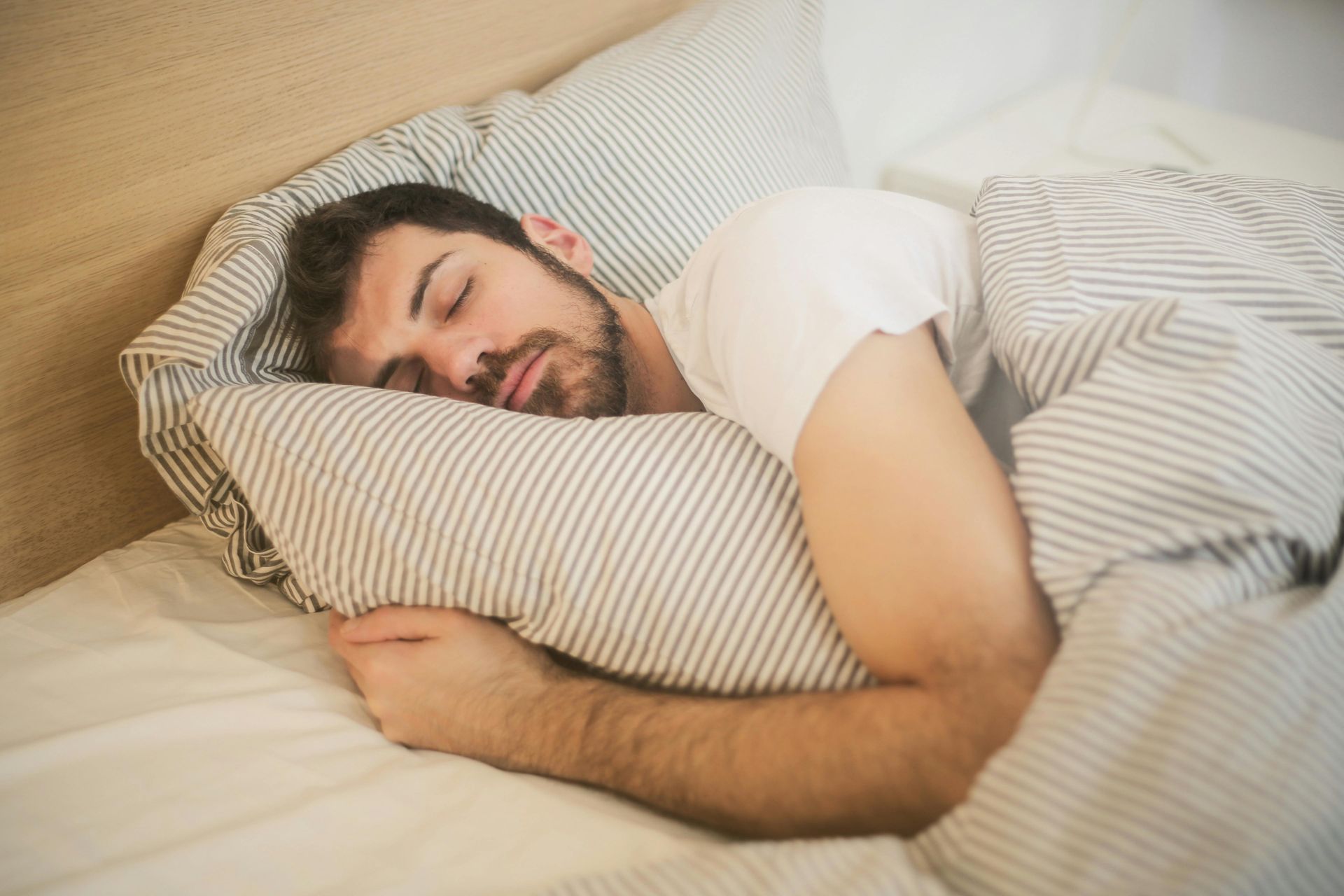
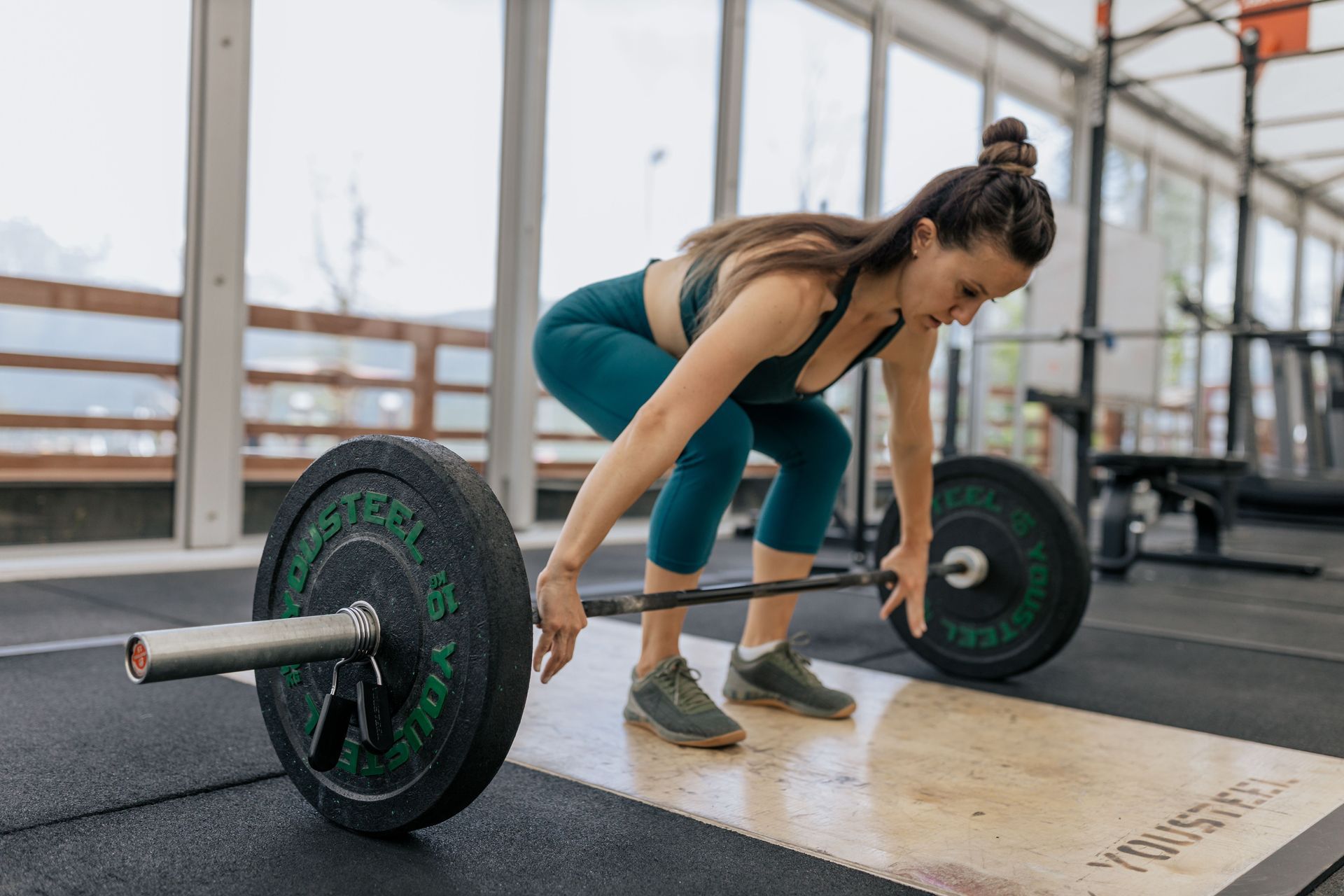
In the world of fitness, we often focus on training programs, protein intake, and supplements. But there’s one powerful performance enhancer many people overlook: sleep. Whether you're training for a marathon, lifting weights, or just trying to stay active, sleep plays a critical role in how well your body performs, recovers, and adapts. Let’s explore how sleep directly impacts exercise and why prioritizing it may be the smartest move you make for your fitness goals.
1. Sleep Boosts Physical Performance
Getting adequate sleep improves:
- Strength and power output
- Reaction time
- Endurance
- Coordination and accuracy
Studies involving athletes from organizations like Stanford University have shown that extending sleep improves sprint speed, free-throw accuracy, and overall athletic performance. When you're well-rested, your nervous system functions more efficiently, allowing faster muscle activation and better movement control.On the other hand, even one night of poor sleep can reduce time-to-exhaustion and decrease peak performance.
2. Muscle Growth Happens During Sleep
You don’t build muscle while lifting weights, you build it while recovering.During deep sleep, your body releases growth hormone, which supports the following functions:
- Muscle repair
- Tissue growth
- Fat metabolism
- Protein synthesis
Without sufficient sleep, your body produces less growth hormone and struggles to repair muscle fibers effectively. Over time, this can stall strength gains and increase injury risk.
3. Sleep Reduces Injury Risk
Chronic sleep deprivation impairs:
- Balance
- Reaction time
- Decision-making
- Joint stability
Athletes who consistently sleep fewer than 7 hours per night have significantly higher injury rates compared to those who sleep 8–9 hours. Fatigue affects movement patterns, which increases strain on muscles and ligaments.
In simple terms: tired bodies move poor and poor movement leads to injury.
4. Mental Performance and Motivation
Exercise isn’t purely physical, it’s also mental. Lack of sleep reduces motivation to train, reduces pain tolerance, focus during workouts, and mood stability. Sleep deprivation increases perceived effort, meaning workouts feel harder than they actually are. This can lead to skipped sessions and inconsistent training.
5. Recovery, Inflammation, and Immune Function
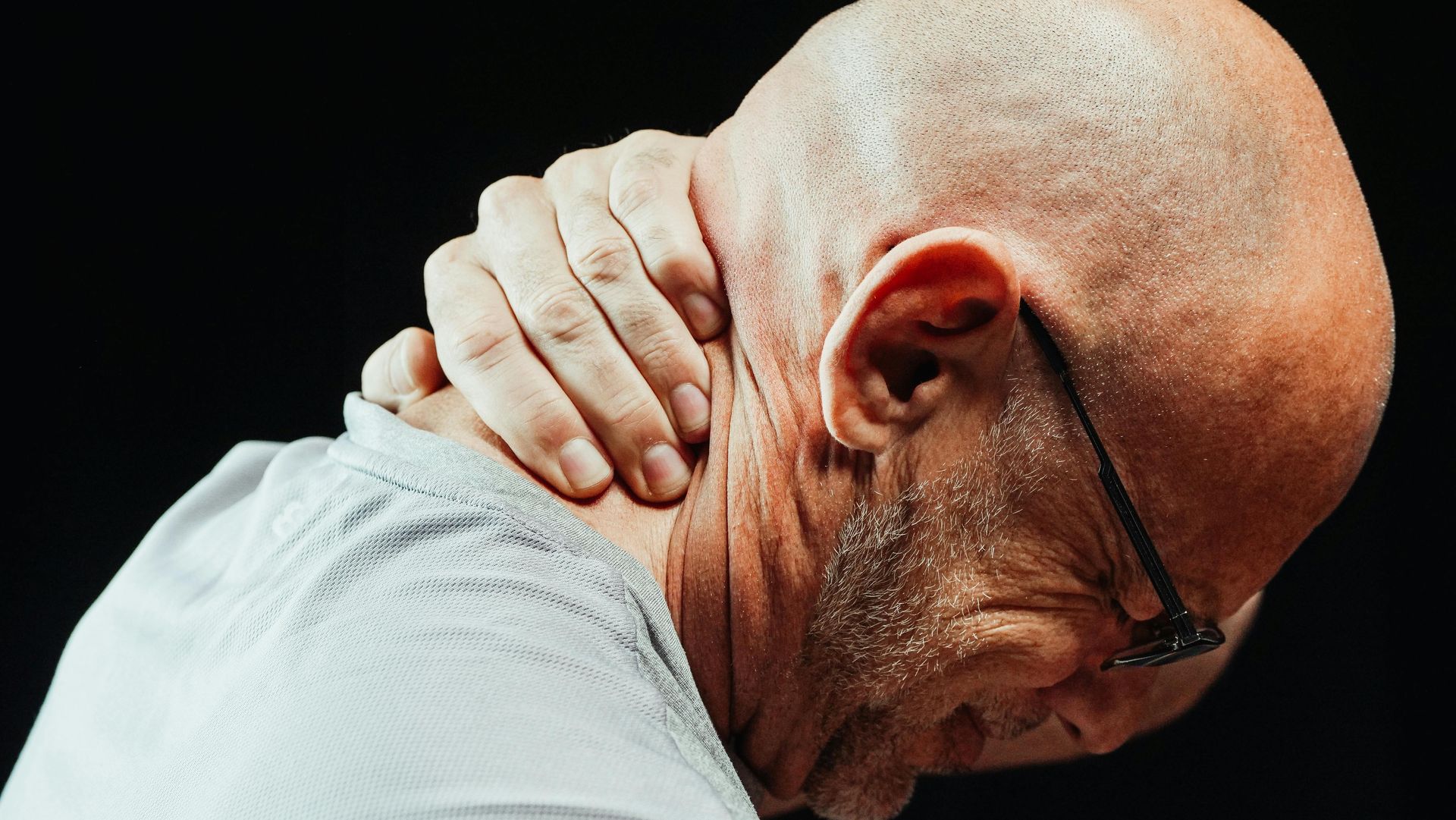
Sleep is when your body repairs damaged tissues and reduces inflammation. Poor sleep increases inflammatory markers, slows muscle recovery, and weakens immune function. If you’re training intensely but not sleeping enough, you may experience persistent soreness, fatigue, or even frequent illness.This all can lead to increased risk of injury.
Tips to Improve Sleep for Better Workouts
- Keep a consistent sleep schedule.
- Limit caffeine 6–8 hours before bed.
- Reduce screen time 30- 60 minutes at night before going to sleep.
- Keep your bedroom cool and dark.
- Avoid intense late-night workouts (if they disrupt sleep).
You can train hard, eat clean, buy the best shoes, and follow the perfect program, however, without sleep, your results will always be limited.Think of sleep as your body’s natural recovery supplement that is free, powerful, and essential. If you want better strength, endurance, muscle growth, and overall performance, start by protecting your sleep.
References
Dolezal, B. A., Neufeld, E. V., Boland, D. M., Martin, J. L., & Cooper, C. B. (2017). Interrelationship between Sleep and Exercise: A Systematic Review.
Advances in preventive medicine,
2017, 1364387. https://doi.org/10.1155/2017/1364387