Rethinking ACL Injuries: What 30+ Years of Research Tell Us About Non-Surgical Recovery
Knee PT in Holly Springs
For decades, an ACL tear has often been viewed as a one-way path to surgery, especially for athletes. But, emerging long-term research is challenging that assumption. A landmark 2024 study by Hellberg and colleagues offers a rare and valuable perspective. What actually happens to patients more than 30 years after a nonoperative ACL injury? The results may reshape how we think about treatment and reinforce the critical role of physical therapy. The study followed patients who initially treated their ACL injuries without surgery and checked in over three decades later.
The results showed the following:
- 65% of patients reported good or excellent knee function decades after injury
- Activity levels decreased over time, with an average drop in sports participation
- 75% showed radiographic signs of osteoarthritis (OA), but only 38% had symptomatic OA
- About 71% never required ACL reconstruction later in life
In simple terms: many people functioned well long-term,even without surgery. While there is a time and place for surgery, this shows that it is not the only route to recovery. The main focus to take away from this study is functional recovery vs imaging.
One of the most important insights from this study is the disconnect between what shows up on imaging and how patients actually feel. While a large portion of participants had signs of osteoarthritis on X-rays, far fewer experienced symptoms that affected daily life. This highlights a key concept in physical therapy: structural changes don’t always equal pain or disability. For clinicians and patients alike, this reinforces the importance of focusing on function, strength, and quality of movement, not just what an image shows.
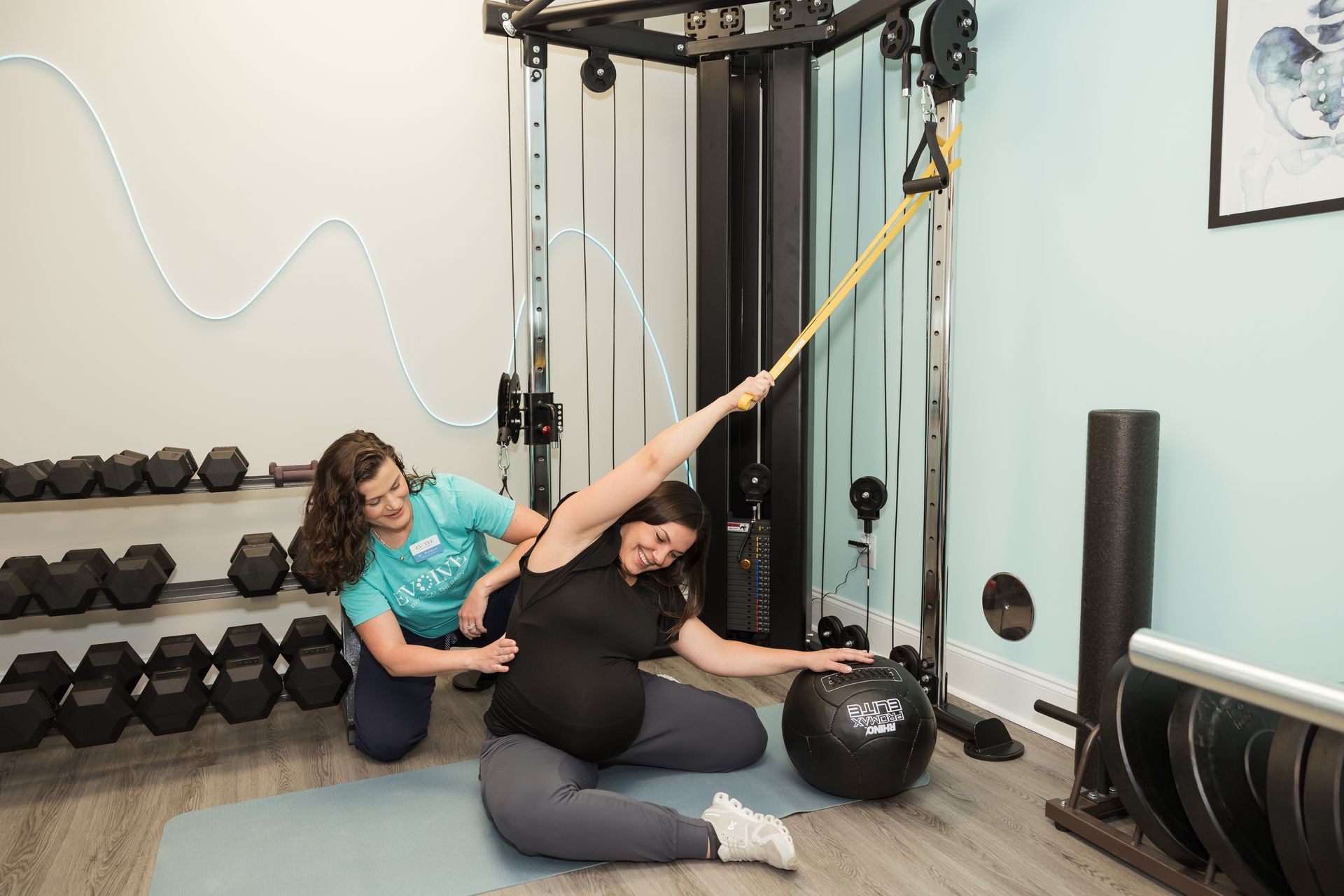
So how did these patients maintain function for decades? The study points to two major factors, which include early physical therapy and activity modification. Patients were guided to strengthen the knee and avoid high-risk movements like pivoting and cutting. Over time, many adapted their activity levels—but maintained independence and quality of life.
This aligns closely with modern rehab principles:
- Build strong quadriceps and hamstrings
- Improve neuromuscular control and stability
- Gradually return to activity based on function—not timelines
Surgery Isn’t Always the First Answer. This research doesn’t suggest that surgery is unnecessary, but it does challenge the idea that it’s always required.Instead, it supports a “rehab-first” approach, especially for individuals who have lower to moderate activity levels, and can achieve stability through strength and control. The other important factor is willingness to modify high-risk activities. Only about 29% of patients eventually needed reconstuction due to instability if they could address those 3 main factors.
What Does This Means for Patients Today?
If you’ve recently torn your ACL, this study offers an important perspective about more conservative treatments. This could mean that you many not need surgery immediately and long-term function is possible with the right rehab plan. Physical therapy is not just a supplement. It can be the foundation of recovery however, it’s also important to recognize that outcomes vary. Athletes in high-demand sports or those with persistent instability may still benefit from surgical reconstruction.The 30+ year findings from Hellberg et al. remind us that recovery from an ACL injury is not just about fixing a ligament, it’s about building a resilient, functional knee for life (2024).Whether you choose surgery or not, physical therapy remains the cornerstone of long-term success.
References
Hellberg, C., Kostogiannis, I., Stylianides, A., & Neuman, P. (2024). Outcomes >30 Years After Initial Nonoperative Treatment of Anterior Cruciate Ligament Injuries.
The American journal of sports medicine,
52(2), 320–329. https://doi.org/10.1177/03635465231214423