Understanding Pelvic Pain and How Pelvic Floor Physical Therapy Can Help
Pelvic Floor Physical Therapy for Pelvic Pain - Holly Springs, NC
Pelvic pain is a common yet often misunderstood condition that affects people of all ages and genders. Whether it’s a dull ache, sharp discomfort, or persistent pressure, pelvic pain can interfere with daily life, relationships, and overall well-being. The good news is that physical therapy offers an effective, non-invasive approach to managing and often resolving this condition.
What Is Pelvic Pain?
Pelvic pain refers to discomfort in the lower abdomen or pelvic region. It can be acute (short-term) or chronic (lasting longer than six months). Causes vary widely and may include:
- Muscle dysfunction or tension
- Post-surgical complications
- Pregnancy and postpartum changes
- Endometriosis or other gynecological conditions
- Bladder or bowel disorders
- Nerve irritation or compression
Because the pelvic region is home to muscles, organs, and connective tissues that all work together, identifying the root cause of pain can sometimes be complex.
The Role of Pelvic Floor Muscles
At the center of many pelvic pain issues are the pelvic floor muscles. These muscles support the bladder, bowel, and reproductive organs, and they play a key role in core stability, posture, and continence.
When these muscles become too tight, weak, or uncoordinated, they can contribute to pain, dysfunction, and a variety of symptoms such as:
- Pain during sitting or movement
- Discomfort during or after exercise
- Pain with intimacy
- Urinary or bowel issues
How Physical Therapy Helps
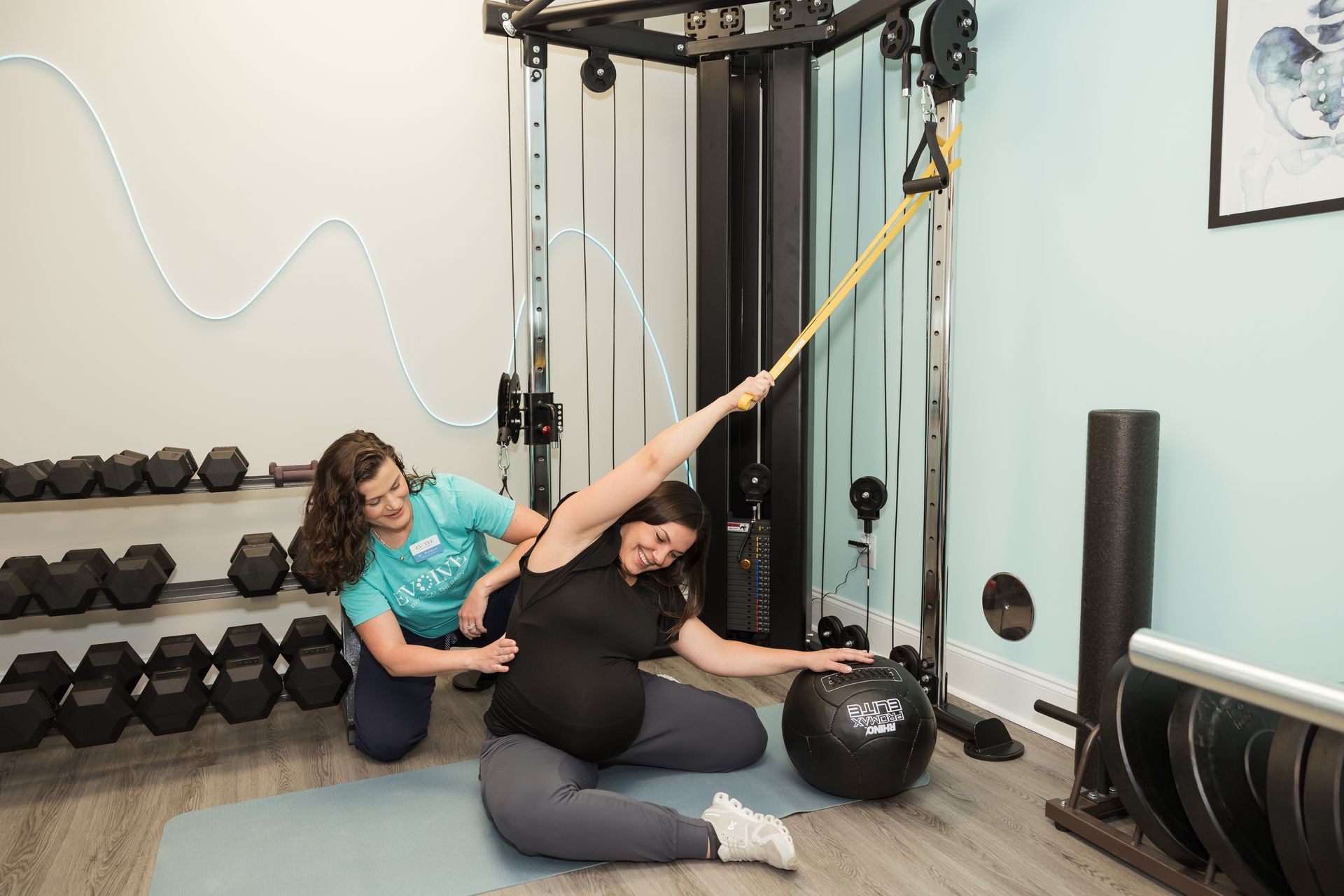
Pelvic floor physical therapy is a specialized branch of care that focuses on restoring proper function to the muscles and structures of the pelvis. A trained physical therapist will perform a thorough evaluation and develop a personalized treatment plan.
Common treatment approaches include:
1. Manual Therapy
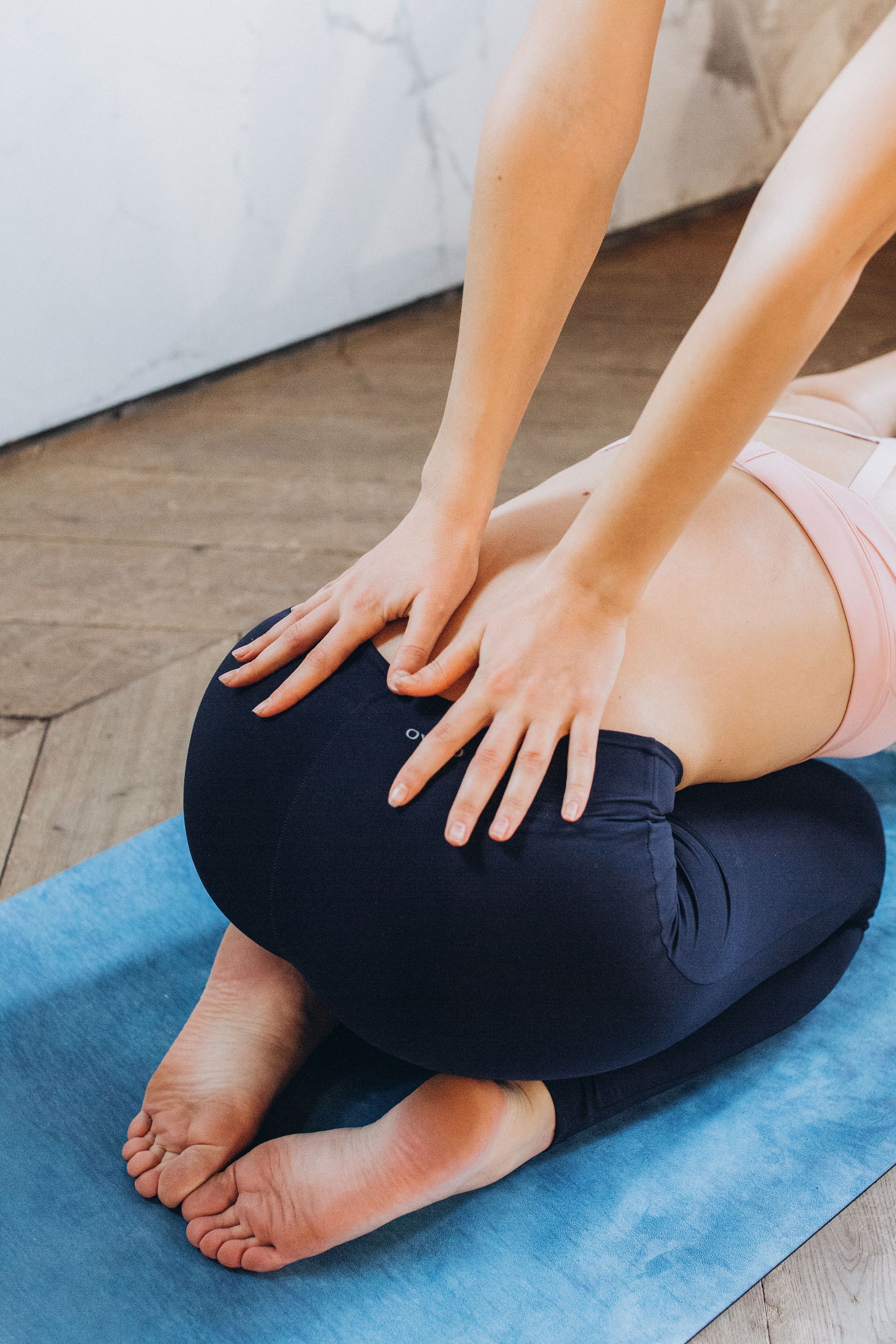
Hands-on techniques are used to release muscle tension, improve mobility, and reduce pain in the pelvic region.
2. Targeted Exercises
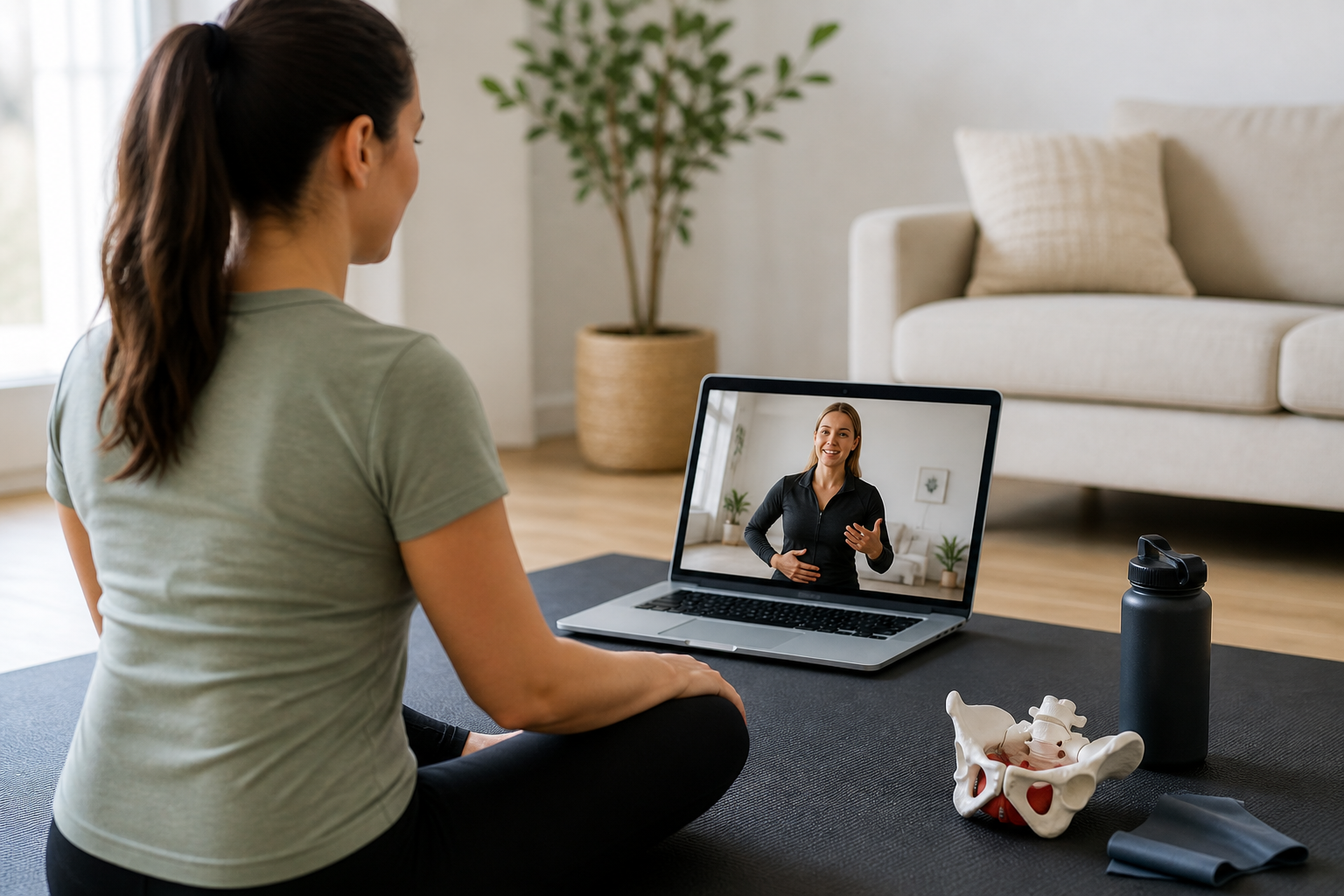
Patients learn exercises to either relax or strengthen the pelvic floor, depending on their specific condition. Contrary to popular belief, not all pelvic issues require strengthening, many require relaxation and coordination.
3. Biofeedback
This technique uses sensors to help patients become more aware of their muscle activity, making it easier to learn control and improve function.
4. Education and Lifestyle Modifications
Therapists guide patients on posture, movement patterns, bladder and bowel habits, and stress management techniques that can influence pelvic health.
Who Can Benefit?
Pelvic floor physical therapy is beneficial for a wide range of individuals, including:
- People with chronic pelvic pain
- Postpartum individuals
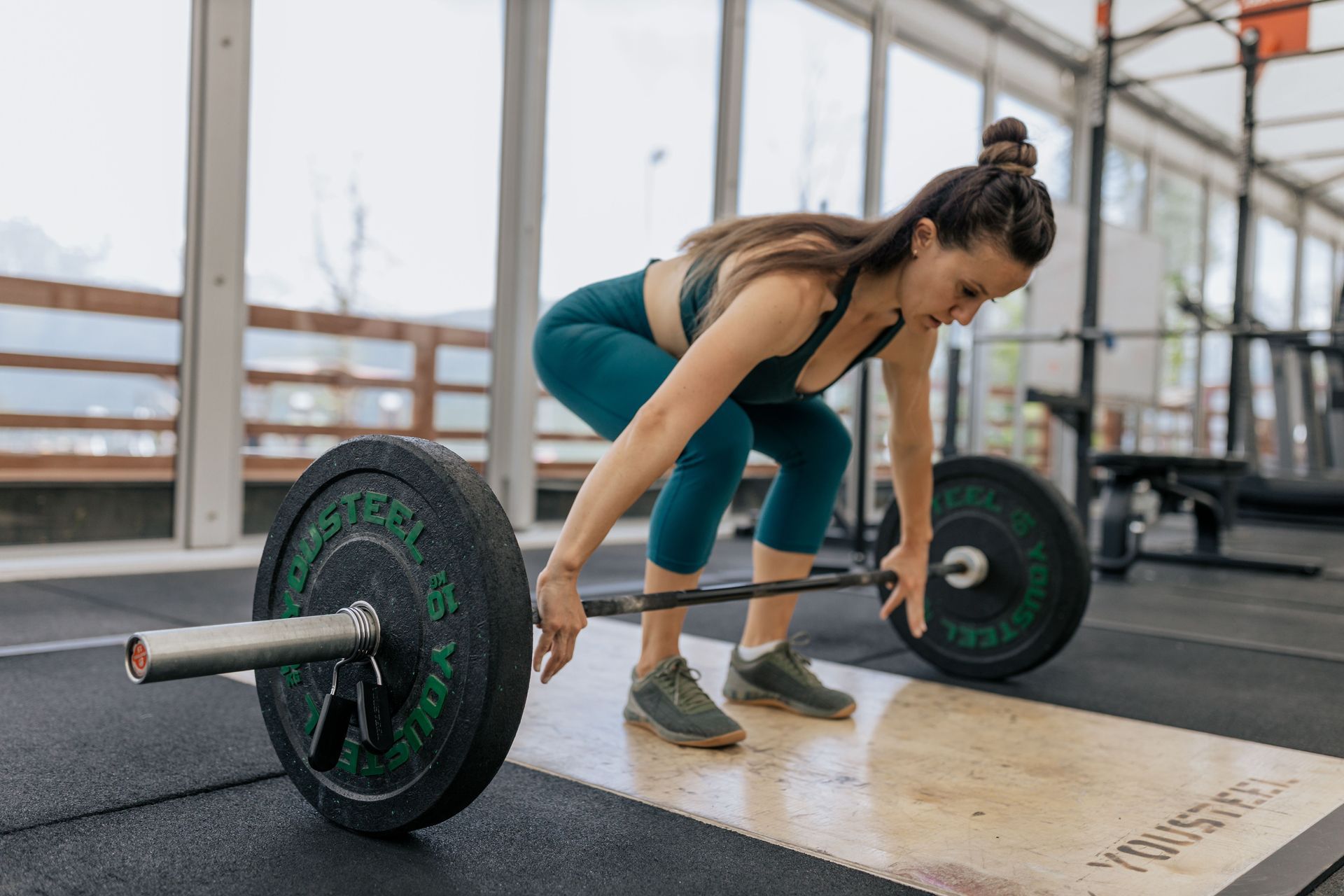
- Athletes experiencing core or hip issues
- Individuals recovering from pelvic or abdominal surgery
- Those with bladder or bowel dysfunction
Breaking the Stigma
Pelvic pain is often underreported due to embarrassment or the belief that it’s something one must “just live with.” In reality, it’s a treatable condition, and seeking help is an important step toward recovery.
When to Seek Help
If pelvic pain is persistent, worsening, or interfering with your daily activities, it’s worth consulting a healthcare provider or a pelvic floor physical therapist. Early intervention can prevent symptoms from becoming chronic and improve quality of life.