The Most Common CrossFit Injuries - And How to Avoid Them
Physical Therapy For CrossFit Injuries, Holly Springs, NC
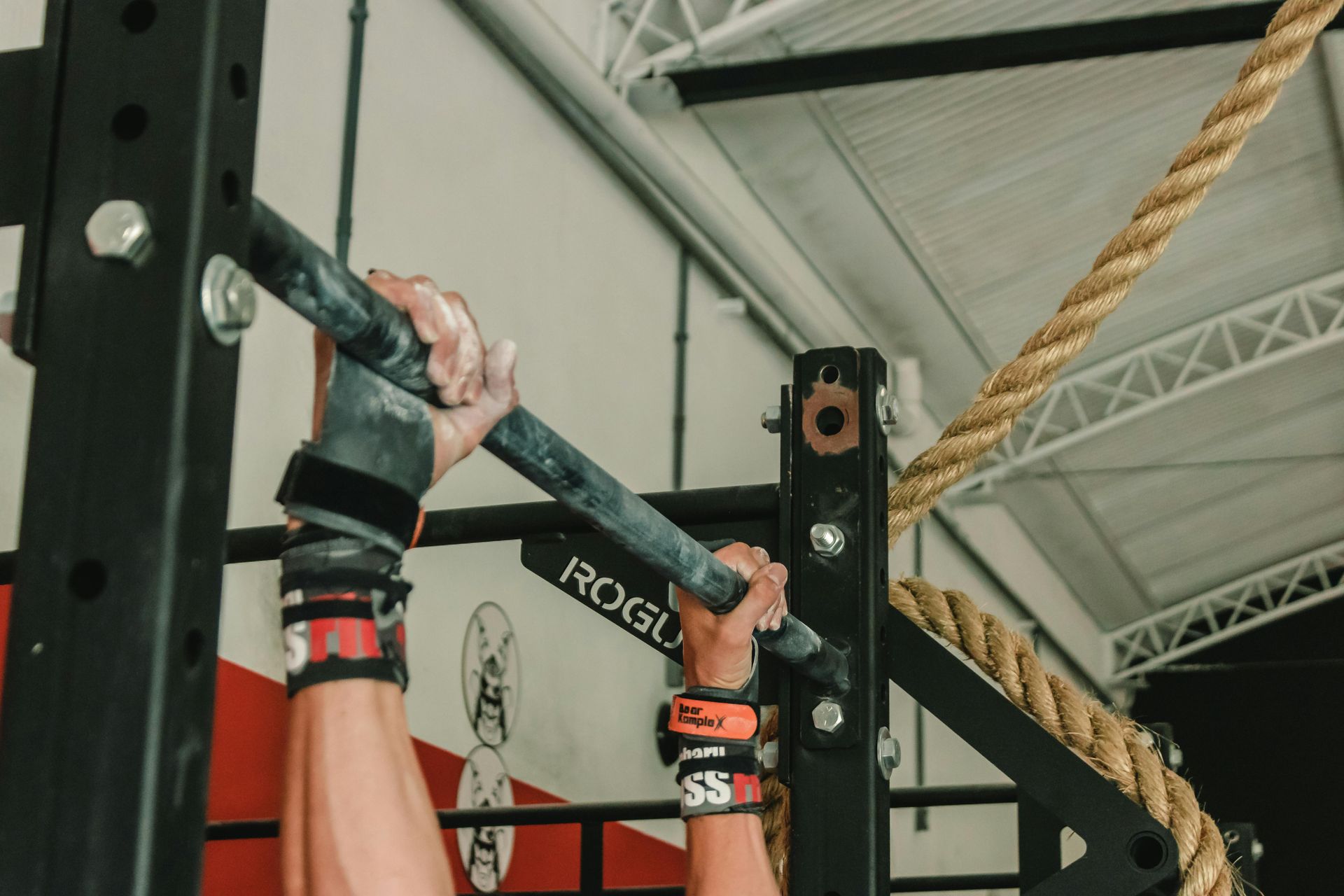
CrossFit has taken the fitness world by storm, offering high-intensity, functional workouts that challenge strength, endurance, and mental toughness. But with its popularity has come growing attention to injury risks. While CrossFit isn't inherently dangerous, the combination of complex movements, high reps, and competitive drive can increase the likelihood of getting hurt, espcially if form and recovery are overlooked.
In this blog, we’ll dive into the most common CrossFit injuries, why they happen, and how to prevent them so you can train hard and smart.
Shoulder Injuries
Movements like kipping pull-ups, overhead presses, snatches, and muscle-ups put a lot of stress on the shoulder joint. Without proper mobility or stability, this can lead to rotator cuff strains, impingement, or labrum tears.
Prevention Tips:
- Focus on shoulder mobility and stability exercises.
- Prioritize strict strength movements before progressing to kipping or dynamic skills.
- Warm up thoroughly, especially before overhead lifts.
Lower Back Pain
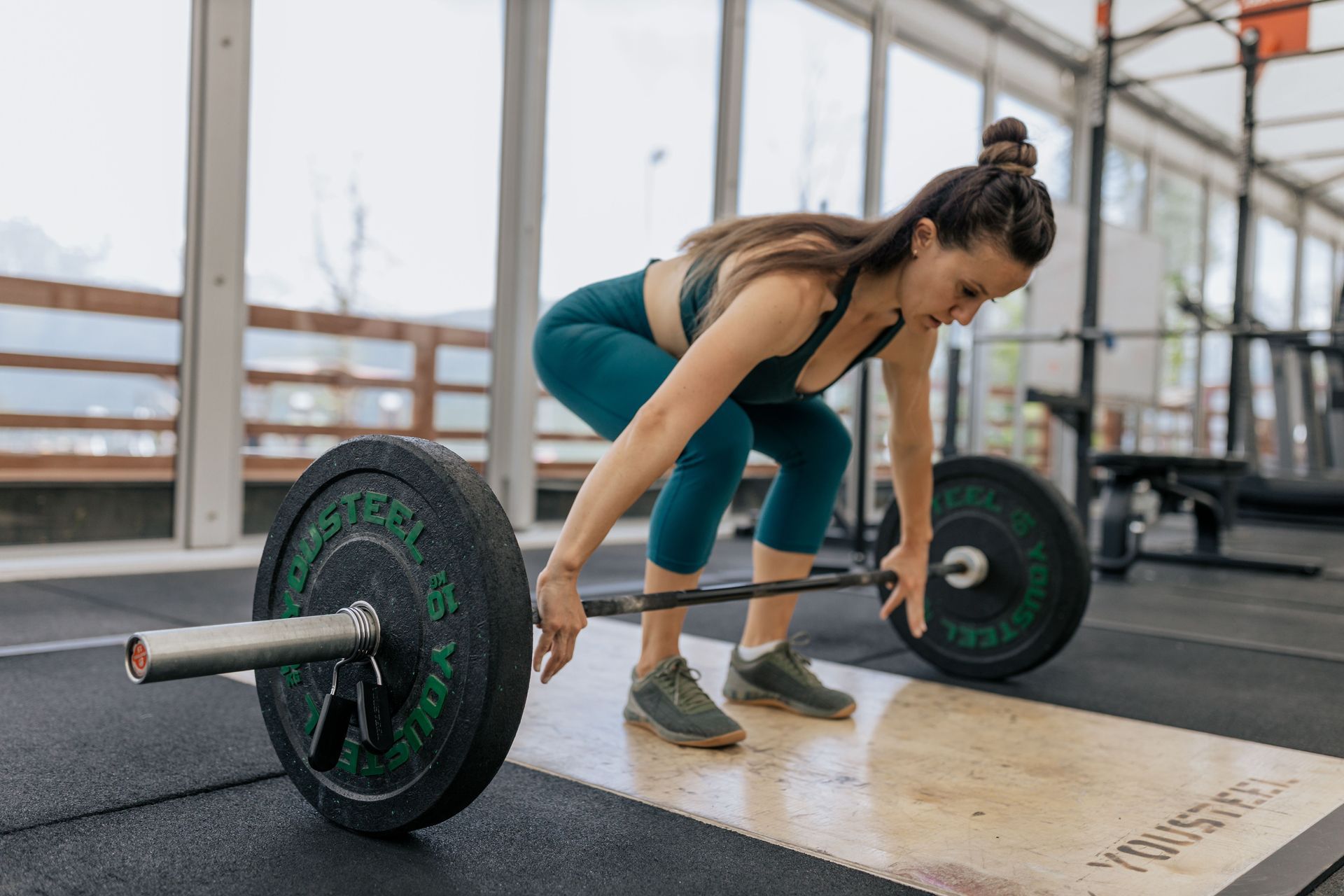
Deadlifts, squats, and Olympic lifts all load the spine. When fatigue sets in or form breaks down, the lower back often takes the hit. The result? Muscle strains, disc issues, or SI joint dysfunction.
Prevention Tips:
- Maintain a neutral spine during lifts.
- Scale weight appropriately, especially under fatigue.
- Strengthen your core and posterior chain to support spinal alignment.
Knee Pain or Injury
High-volume squats, box jumps, and running can aggravate the knees, especially if there's poor hip or ankle mobility. Patellar tendinitis, meniscus irritation, and ligament strain are all common.
Prevention Tips:
- Work on hip and ankle mobility to improve squat mechanics.
- Don’t neglect glute activation in your warm-up.
- Learn proper landing mechanics for jumps
Tendinitis (Especially in the Elbows and Knees)
Repetitive stress without adequate rest can lead to overuse injuries like tendinitis, commonly in the elbow (e.g., "tennis elbow"), knee (e.g., "jumper’s knee"), and ankle (e.g. achilles tendonitis).
Prevention Tips:
- Rotate programming to avoid overusing the same joints.
- Incorporate deload weeks and active recovery.
- Listen to early warning signs, don’t push through sharp pain.
Injury Prevention: Your Best Strategy
While CrossFit can lead to injuries, the rate of injury is really no higher than any other sport. The cause of injury is normally due to working out with an ego, over- or under-training and not scaling when needed, and, lastly, not warming up thoroughly for the workout. Just like any sport, proper coaching, smart programming, and listening to your body go a long way. Here's how to stay injury-free:
Warm up thoroughly before every workout.
- Cool down and stretch post-WOD to aid recovery.
- Scale workouts to match your current fitness and mobility level.
- Prioritize technique over ego or leaderboard rankings.
- Rest and recover: gains happen when you recover, not just when you train.
References
Alekseyev, K., John, A., Malek, A., Lakdawala, M., Verma, N., Southall, C., Nikolaidis, A., Akella, S., Erosa, S., Islam, R., Perez-Bravo, E., & Ross, M. (2020). Identifying the Most Common CrossFit Injuries in a Variety of Athletes.
Rehabilitation process and outcome,
9, 1179572719897069. https://doi.org/10.1177/1179572719897069