Best position to push in for labor (from a pelvic-floor PT)
Birth Prep & Pelvic Floor Physical Therapy in Holly Springs, NC
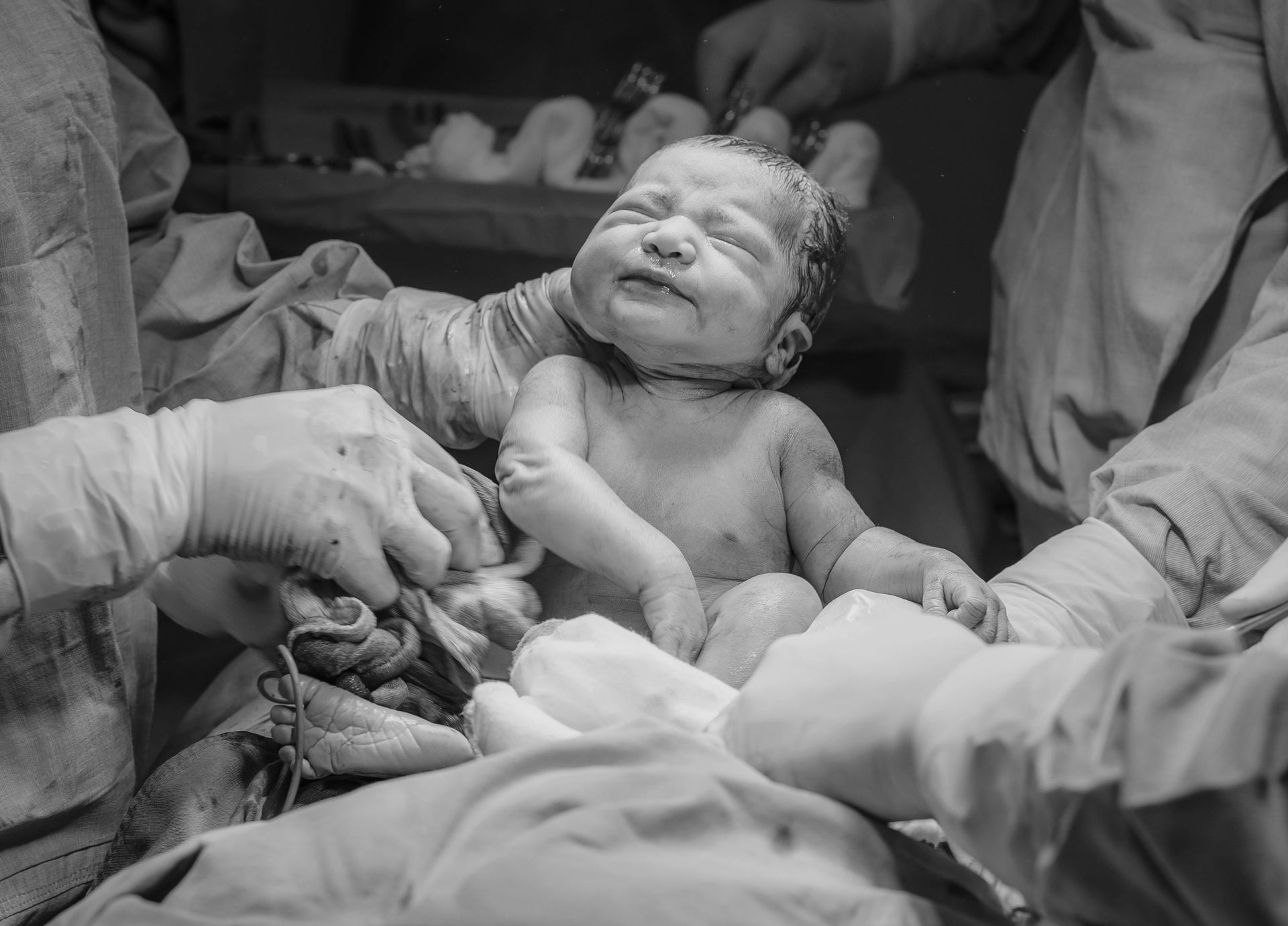
As a pelvic-floor physical therapist I get asked a lot: “What position should I push in so I don’t tear?” Short answer: there isn’t a single “magic” position that guarantees no tear, but current evidence and guidelines support giving people freedom to choose positions that keep the sacrum mobile. Below I summarize the evidence and point out what really seems to reduce tears, and give practical, evidence-based tips you can use when making a birth plan.
Why position might matter
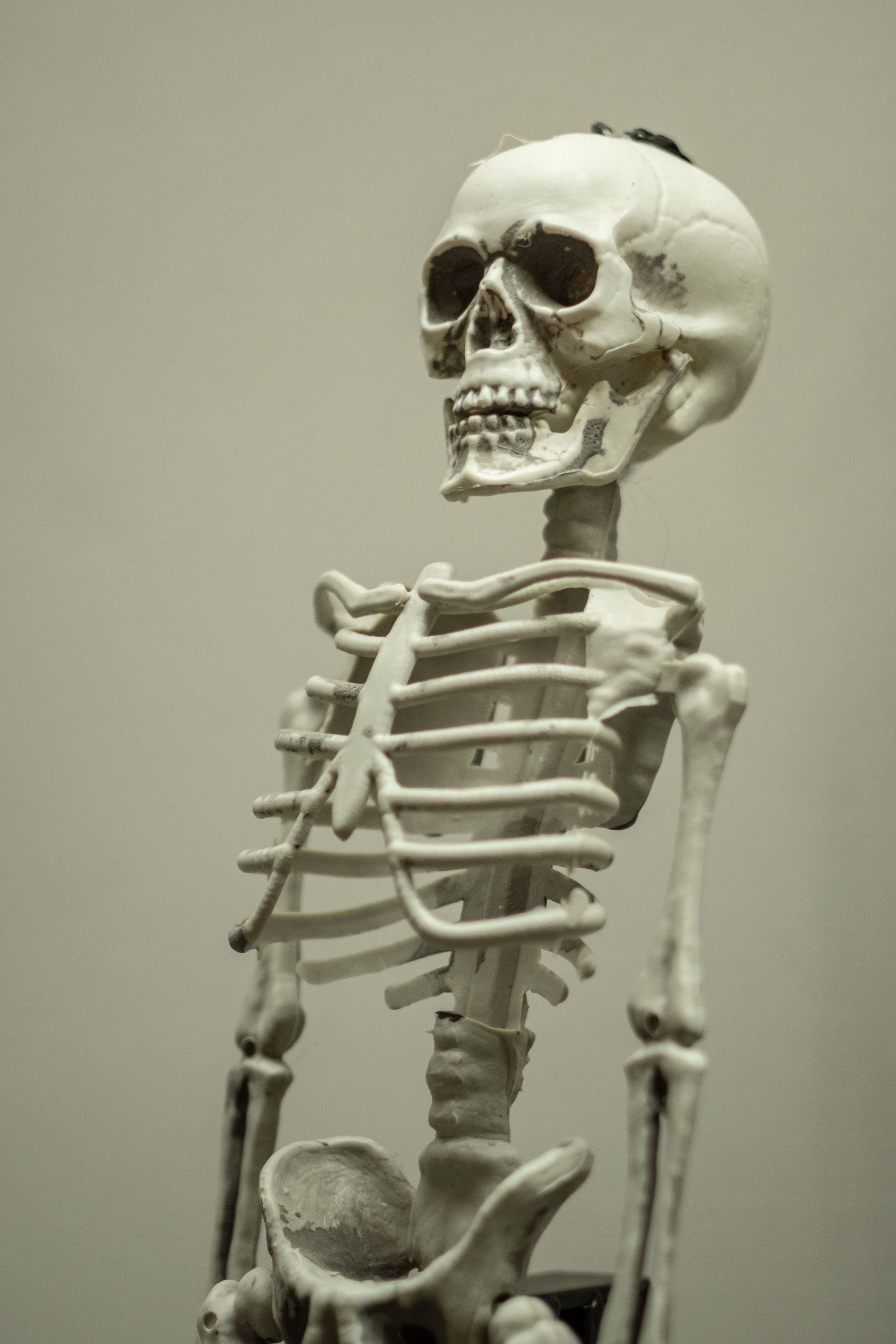
- Perineal tears happen when tissues are stretched faster or beyond their capacity during crowning. The shape of the pelvis and how the sacrum and pelvic outlet can move changes the space through which the baby passes.
- Upright or “flexible-sacrum” positions (standing, kneeling, hands-and-knees, squatting, sitting on a birth stool/ball) tend to increase the pelvic outlet diameter and use gravity. This can speed descent and how the head rotates/descends. That can be helpful, but faster descent can theoretically increase risk in some contexts if not well managed.
What the evidence actually shows
1. Flexible-sacrum or non-supine positions often lead to more intact perinea and shorter second stage.
The most up to date literature shows that allowing and encouraging upright or flexible-sacrum positions is associated with a
higher chance of an intact perineum, fewer episiotomies, and a shorter fetal-descent/second stage versus strict supine. However studies are mixed. This pattern appears whether or not an epidural is used, but research quality and settings do vary.
2. There is no single position proven to eliminate tears and some positions show mixed signals.
Different upright positions (e.g., squatting vs. side-lying vs. hands-and-knees) have been studied, and results are not similar. Overall, the evidence supports
choice and flexibility
rather than a single mandated posture.
3. How you push (directed vs spontaneous/delayed) matters too!! BUT evidence is mixed.
Systematic reviews show
no clear, consistent advantage of forceful coached Valsalva pushing vs spontaneous/physiologic pushing on rates of severe perineal trauma. Pushing technique can influence outcomes, but it’s not the only thing.
4. Other factors often outweigh position alone.
Instrumental births (forceps/vacuum), fetal size and position (occipito-posterior, big baby), episiotomy policies, perineal protection techniques (warm compresses, manual “hands-on” support), and the attendant’s approach are all strong factors of perineal outcome.
What I tell my patients:
- Plan for
choice rather than a single “best” position.
Evidence and international guidance favor supporting the birthing person to choose their position and remain mobile when safe to do so. - Try positions that keep the sacrum free to move (flexible-sacrum positions):
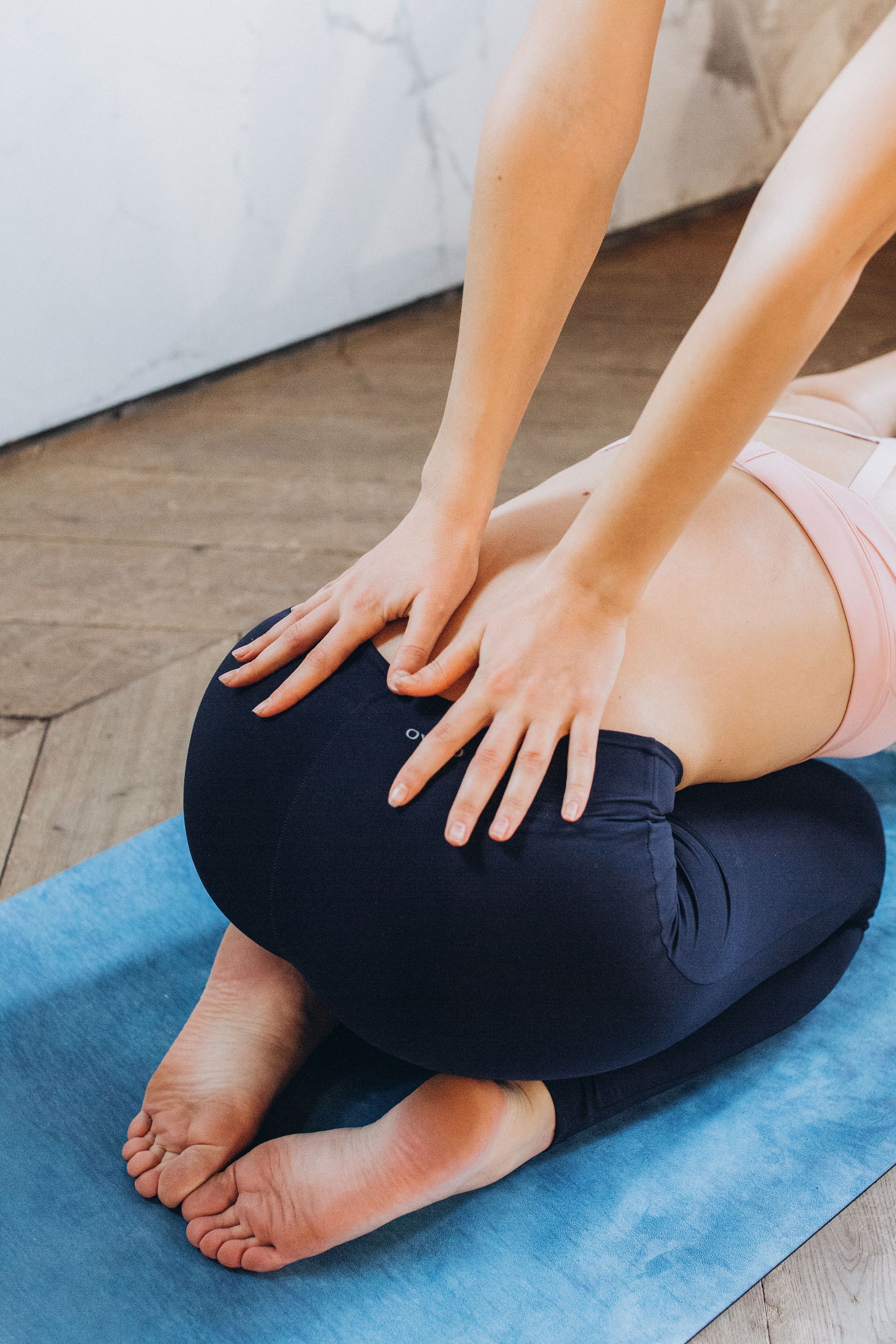
- hands-and-knees (all-fours): good for posterior-position babies and for perineal relaxation
- side-lying (lying on the side): allows controlled descent and is useful if you want to slow crowning a bit
- semi-upright / sitting on a birth ball or stool: uses gravity but can be modified for perineal control
- Squatting: can open the pelvis and shorten the second stage, but discuss with your team because some studies have mixed findings about severe tears in some contexts.
- Use perineal-protection techniques during the actual birth of the head.
Evidence supports techniques like warm compresses, gentle manual support (“hands-on” guarding), and controlled birth of the head rather than rapid uncontrolled expulsion. So discuss with your midwife or OB beforehand. - Aim for physiologic/spontaneous pushing when appropriate.
If possible and safe, spontaneous (mother-directed) pushing often leads to similar or better outcomes for mother and baby than coached Valsalva pushing. If you have an epidural, timing and technique may need to be adjusted so just talk with your team. They are there to help guide you. - Instrument births and fetal position matter a lot.
If an operative vaginal delivery (vacuum/forceps) becomes necessary, or the baby is in an OP position or is large, the risk of severe perineal trauma increases regardless of maternal position. Some factors we just can’t control.
What to put in your birth plan
- “I want to be offered mobility and a choice of positions during the second stage if no contraindication.”
- “Please use warm compresses and manual perineal support at crowning unless not possible.”
- “If I have an epidural, please discuss options to safely allow non-supine positioning if feasible.”
Final practical note from a pelvic-floor PT
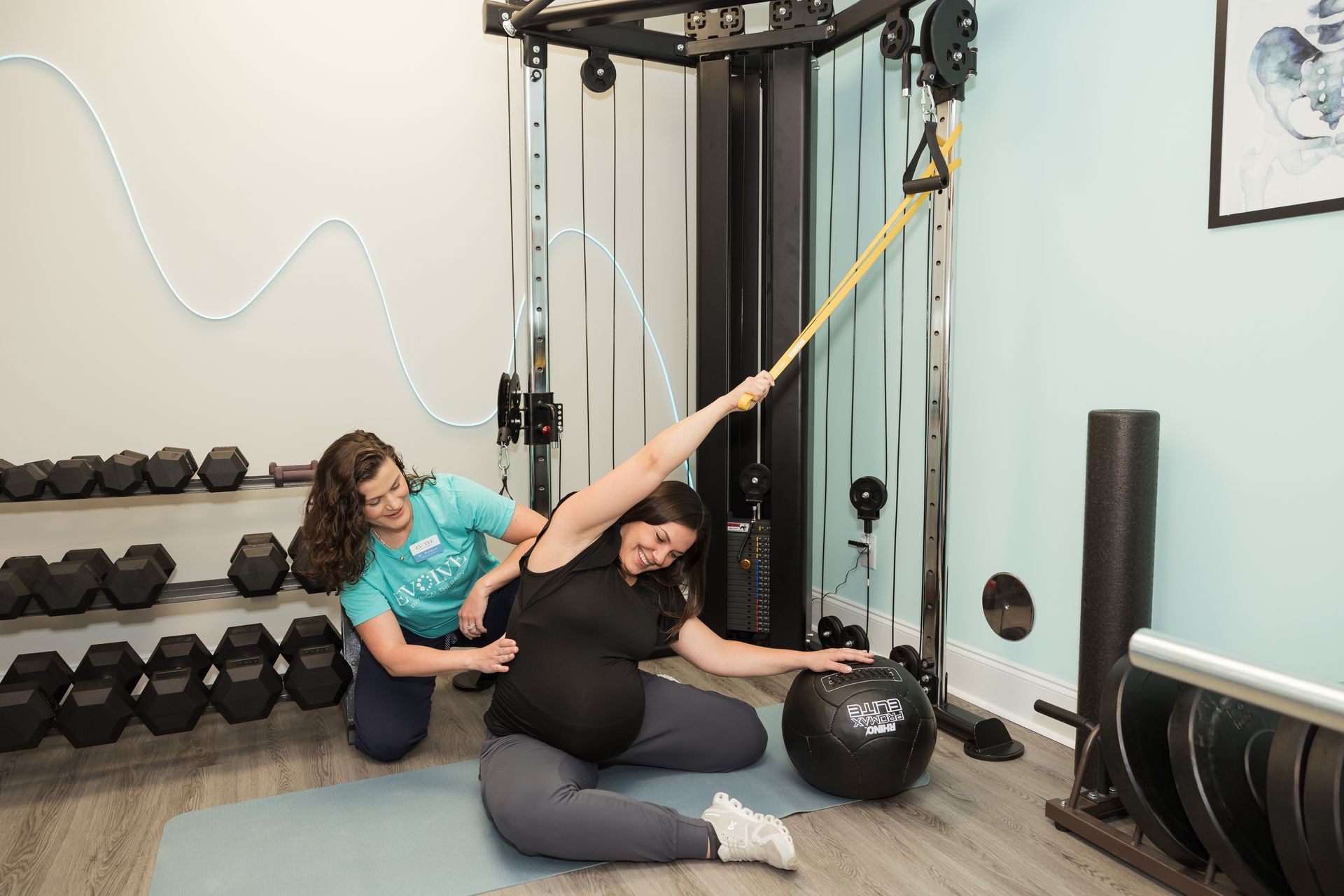
Position is an important factor but it’s not the only one. The best strategy to reduce tearing is multi-factorial: encourage movement and flexible-sacrum positions when safe, use perineal-protection techniques at crowning, favor mother-directed pushing when possible, and make sure your care team knows your preferences ahead of time. After birth, whether or not you had a tear, pelvic-floor PT can help with recovery, pain, scar mobilization, functional return, and pelvic-floor muscle training. Feel free to reach out if you want help with a pre or postpartum plan.