Low Back Pain: More than just a physical injury - Holly Springs Physical Therapy
Holly Springs Physical Therapy For Low Back Pain

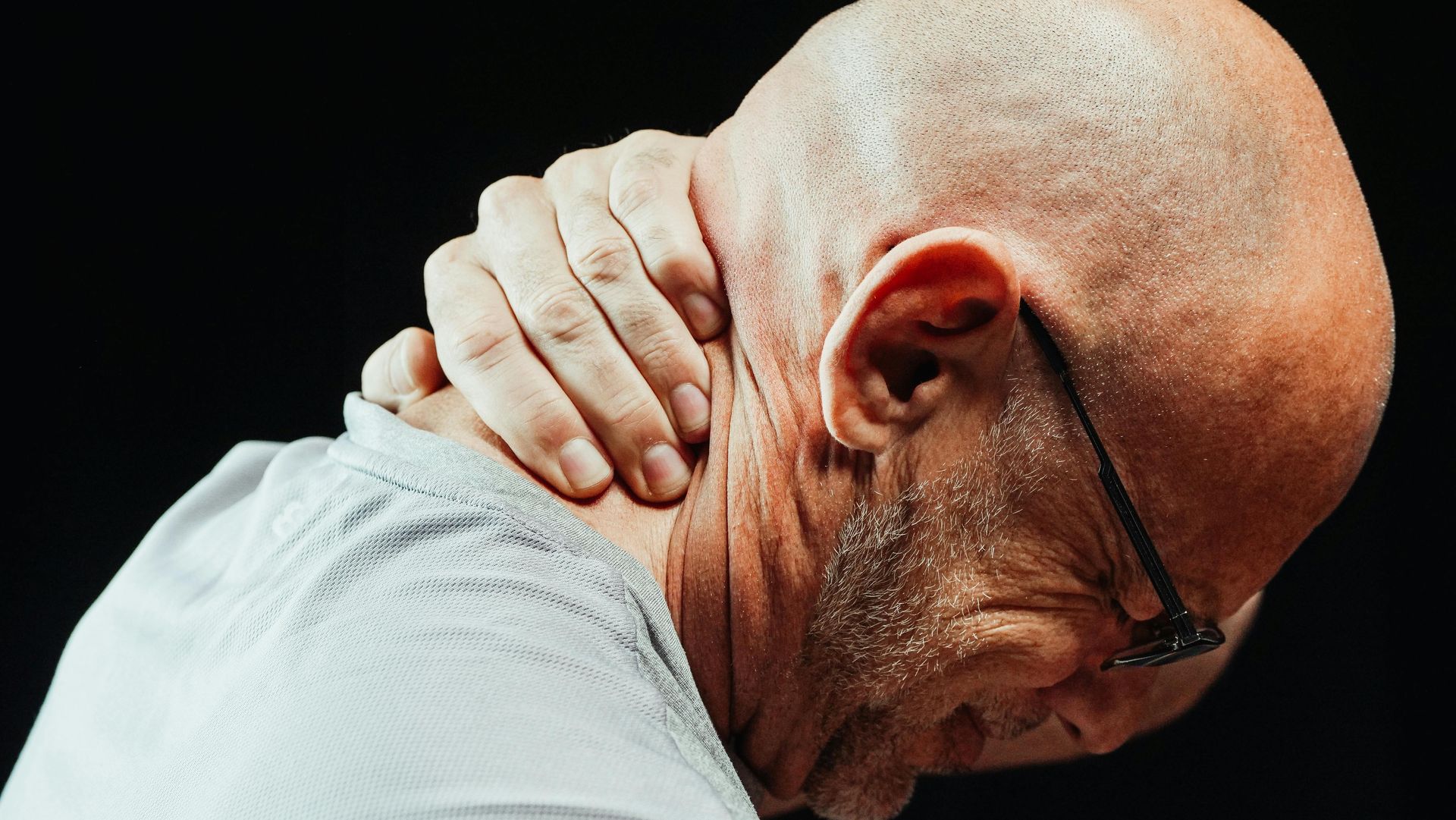
Low back pain is one of the leading causes of disability worldwide (IHME, 2023). It can hinder people from performing daily activities, working, and enjoying a good quality of life. While many instances of low back pain do resolve, a significant number of individuals experience chronic low back pain that lasts for weeks, months, and even years. This pain can persist and result in disability, which will limit individuals from performing daily tasks at work or home. This can impair mobility, such as standing, walking, bending, and reduce the ability to perform tasks related to their job.
Many believe low back pain is predominantly a musculoskeletal issue, but it can also have a huge impact on your social life, mental health, and even have economic consequences from the limitations and restrictions it can create in your daily life. Living with chronic pain can cause depression, anxiety, and decrease the quality of life due to the inability to participate in activities that bring that individual meaning and joy. This can often occur from fear of pain or catastrophizing about movements or activities that may cause or increase pain (Singhal et al., 2021). This can create an endless cycle of preventing patients from becoming active or doing activities that they love to do out of fear, which we call pain purgatory.
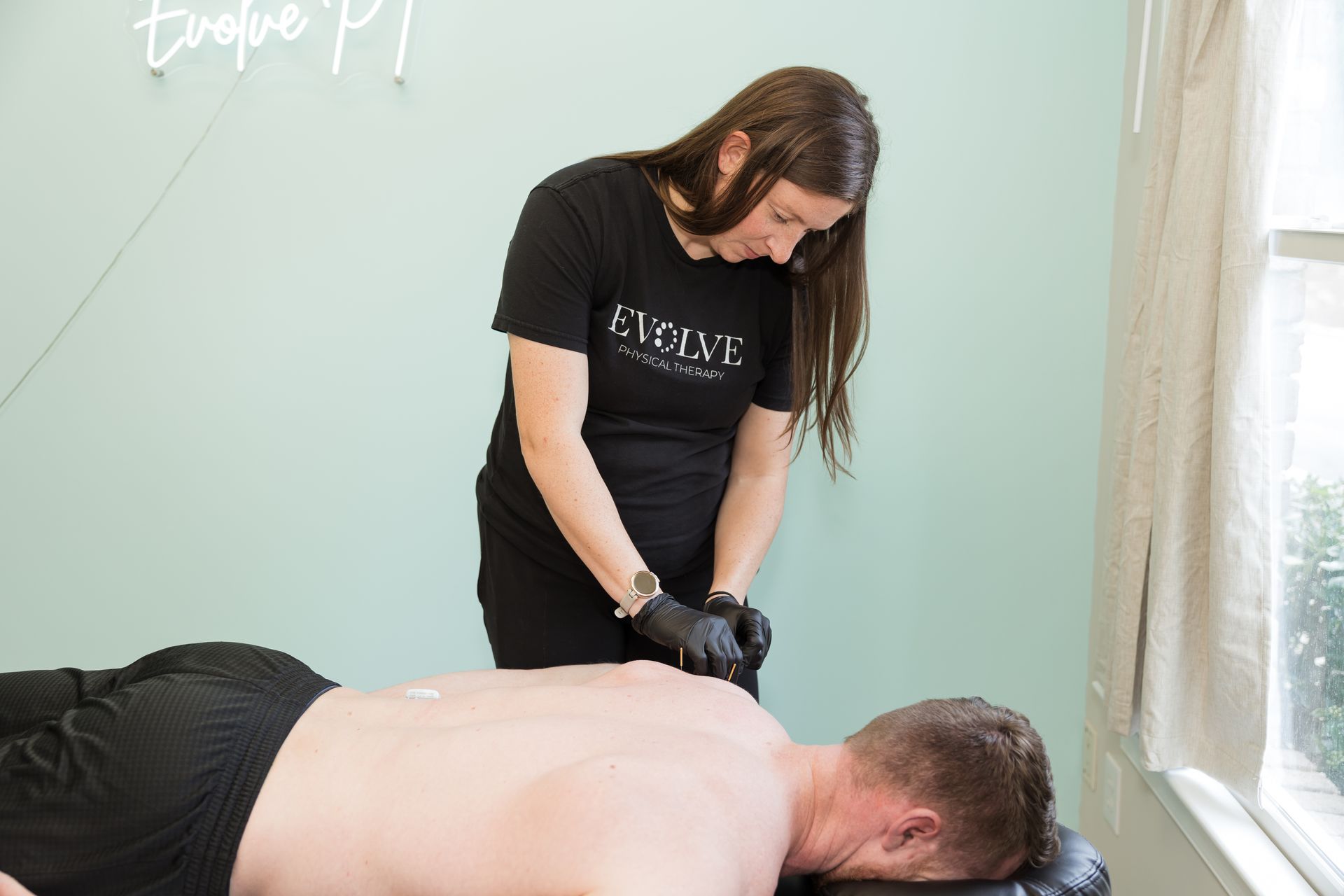
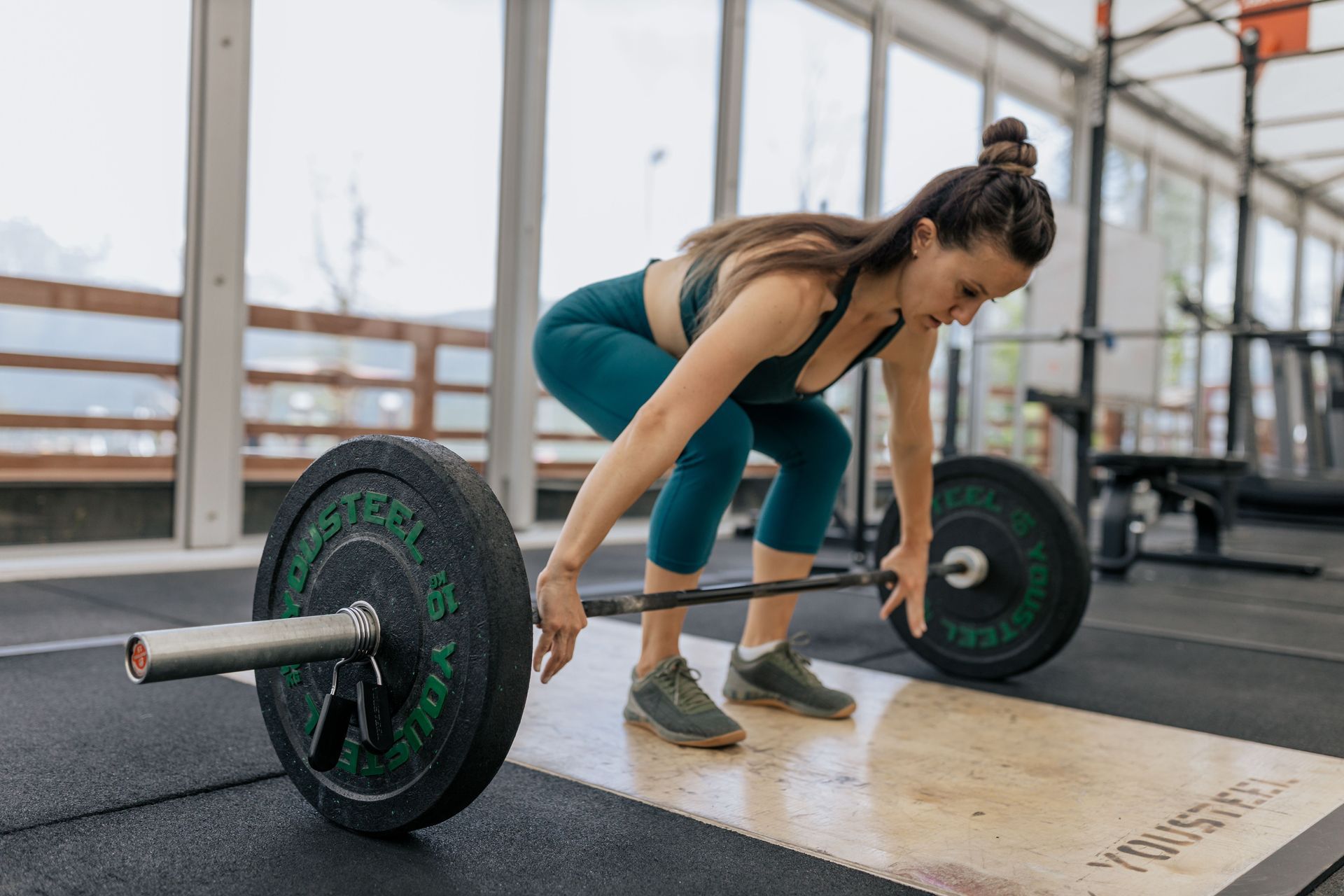
Physical therapy can be an excellent option to help determine the factors contributing to an individual’s pain experience. During physical therapy an initial evaluation is performed that allows the clinician to learn the patient’s history, gather information through a variety of tests and measures, and then develop a plan of care with the patient. This plan is used to address the impairments, limitations and restrictions, and work towards the patient’s goals. Within treatment, this can include introducing exercise, using manual therapy to help reduce the symptoms experienced, discussing ways to improve health and wellness, as well as working on fear avoidance behaviors with movements. Combining these tools as well as working with other healthcare providers can really help to improve the symptoms experienced, and, therefore, improve their quality of life as well.
This can look like:
Utilizing coping strategies while performing a task that is fearful
Gradual exposure to movements that have caused pain or fear
Guided imagery
Improving strength and endurance to improve resilience and reduce risk fo injury
References
Current guidelines. Current Guidelines | odphp.health.gov. (n.d.). https://health.gov/paguidelines/second-edition/
Delitto, A., George, S.Z., Van Dillen, L., Whitman, J.M., Sowa, G., Shekelle P, et al. Low Back Pain: Clinical Practice Guidelines Linked to the International Classification of Functioning, Disability, and Health from the Orthopaedic Section of the American Physical Therapy Association. J Orthop Sports Phys Ther. 2012;42(4):A1-A57.
George, S. Z., Fritz, J. M., Silfies, S. P., Schneider, M. J., Beneciuk, J. M., Lentz, T. A., Gilliam, J. R., Hendren, S., & Norman, K. S. (2021). Interventions for the Management of Acute and Chronic Low Back Pain: Revision 2021.
The Journal of orthopaedic and sports physical therapy,
51(11), CPG1–CPG60. https://doi.org/10.2519/jospt.2021.0304
Singhal, K., Muliyala, K. P., Pakhare, A. P., Behera, P., & Santoshi, J. A. (2021). Do Patients of Chronic Low Back Pain have Psychological Comorbidities?.
Avicenna journal of medicine,
11(3), 145–151. https://doi.org/10.1055/s-0041-1734385