What Makes a Pelvic Health Physical Therapy Clinic the Best in Holly Springs?

Evolve Physical Therapy • November 24, 2026

What to look for in physical therapy in Holly Springs, NC: specialized pelvic floor, pregnancy, and postpartum care with Evolve Physical Therapy.
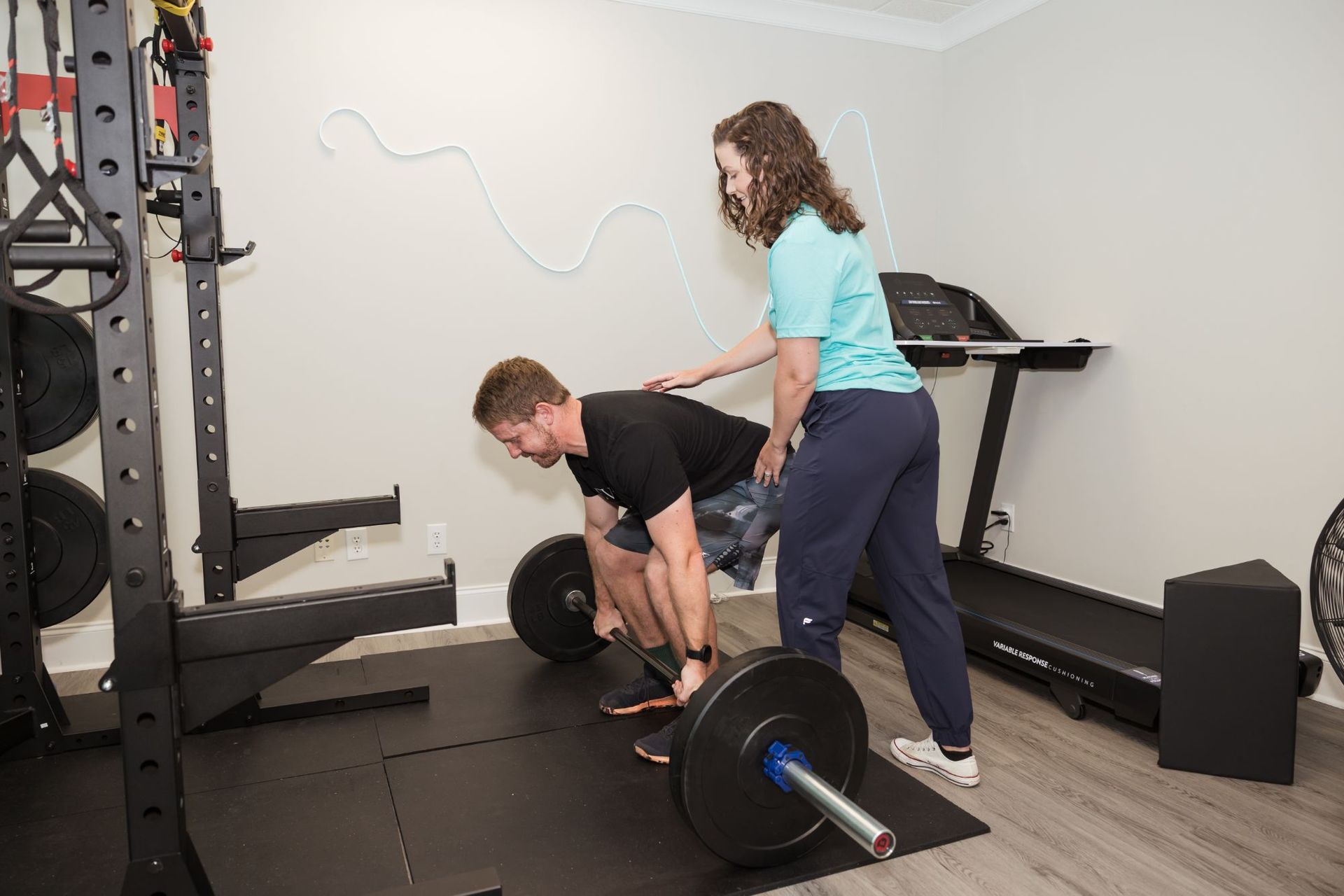
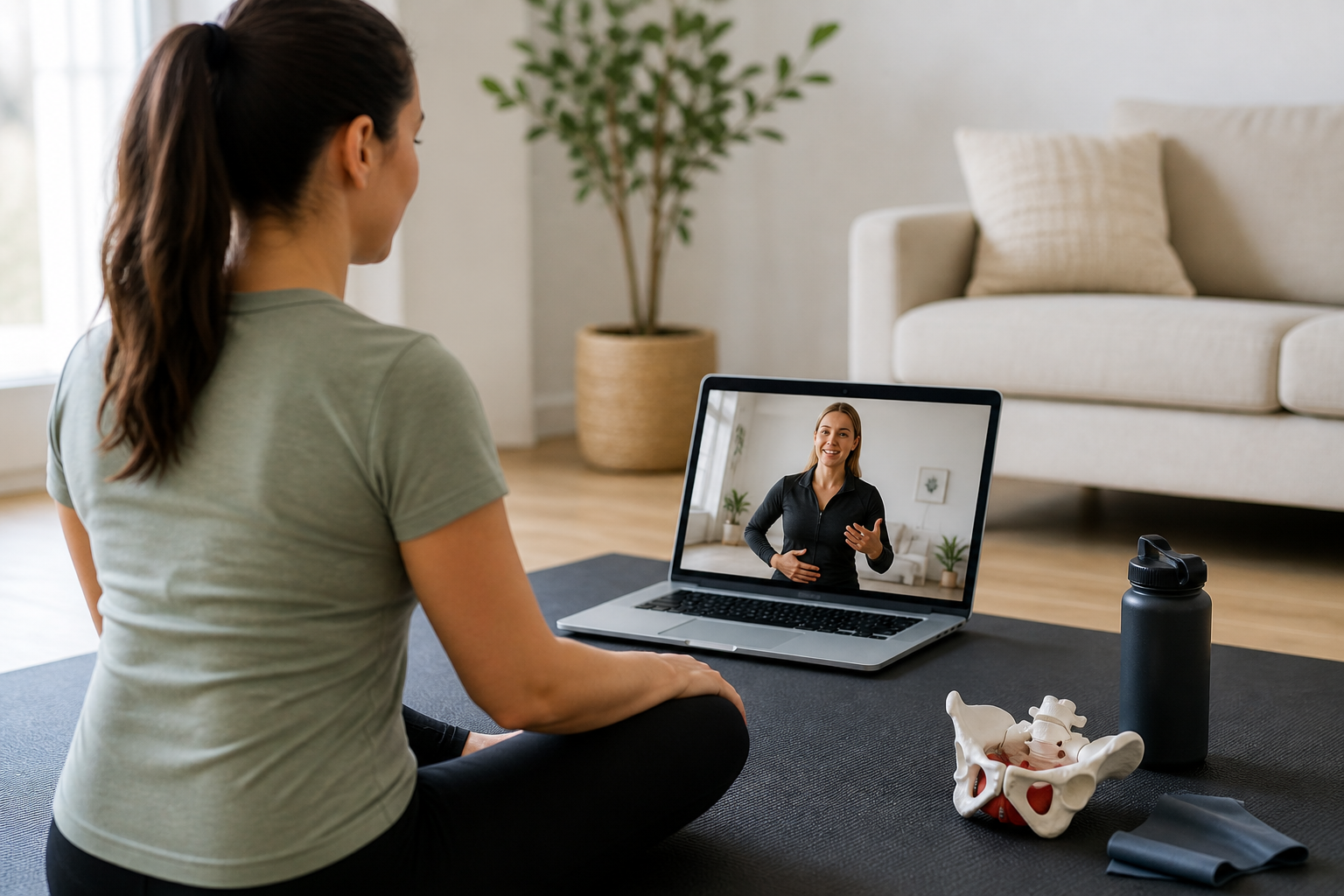
Patient working with a provider at a pelvic health physical therapy clinic in Holly Springs, NC during a personalized treatment planning session

When you are dealing with pelvic pain, pregnancy-related discomfort, or a postpartum body that does not feel like your own, choosing a clinic can feel overwhelming. You may have already felt rushed or dismissed in other settings. A search for pelvic health physical therapy in Holly Springs, NC brings up plenty of options, but they are not all built to give you the same level of care.


Here is what to look for, and how Evolve Physical Therapy approaches each piece.

Does the Clinic Specialize in Your Needs?

General physical therapy is a great fit for many injuries. Pelvic floor dysfunction, pregnancy, and postpartum recovery, however, call for focused training and hands-on experience.

At Evolve Physical Therapy, care is built around a wide range of pelvic health concerns, including:

  • Prenatal support and postpartum recovery
  • Diastasis recti
  • Pelvic pain and painful intercourse
  • Incontinence and prolapse
  • Endometriosis pain support

If you also run, lift, or play sports, that same specialized expertise extends to running gait analysis, movement screens, and return-to-sport testing.

Will You Get Real One-on-One Time?

Time matters. It is hard to discuss sensitive symptoms in a hurried visit, and it is difficult to receive a thorough assessment when your therapist is split between multiple patients.

Every appointment at Evolve Physical Therapy is a private, 60-minute, one-on-one session with a Doctor of Physical Therapy. You will not be handed off to an aide or left alone with a sheet of exercises. That dedicated hour gives you room to ask questions, explain your history, and understand what is happening in your body.

Is Your Care Individualized and Evidence-Informed?

Your goals are not the same as anyone else's. You might want to carry your baby without back pain, return to running after birth, or simply get through the day without pelvic floor dysfunction interfering with your life.


A strong clinic builds a plan around your specific goals and comfort level, using methods supported by current research. Depending on what you need, your plan at Evolve Physical Therapy may include:


  • Manual therapy and soft tissue mobilization
  • Therapeutic exercise and resistance training
  • Neuromuscular re-education
  • Dry needling and trigger point therapy
  • Mobility work and balance training
  • Pelvic floor internal techniques (with full informed consent)


Each part of your plan has a clear purpose, and you should always understand the reason behind it.


Do You Feel Safe, Respected, and in Control?

Pelvic health care is deeply personal. You should never feel pressured or uncertain about what is happening during a session.

At Evolve Physical Therapy, internal pelvic floor techniques are performed only with your fully informed consent. Your therapist explains the technique, the reason for it, and your options before anything begins. You can decline or pause at any time, and many people make excellent progress using external approaches and education alone.


Does the Clinic Work With Your Healthcare Team?

Your recovery often involves more than one professional. An OB/GYN, midwife, primary care provider, or another specialist may already be part of your care.


The best clinics collaborate rather than work in isolation. The team at Evolve Physical Therapy works alongside your existing healthcare providers so your plan stays coordinated and consistent. This is especially valuable during prenatal support, after surgery or procedures, and when managing chronic conditions such as endometriosis or prolapse.


Can You Get to Know the Clinic Before You Commit?

Taking the first step is easier when you know what to expect. A quality clinic welcomes your questions before your first visit.

Evolve Physical Therapy offers a Discovery Call so you can share your concerns and learn how care is delivered before booking an appointment. The clinic proudly serves Holly Springs, Apex, Fuquay-Varina, Cary, Raleigh, and the greater Wake County community.


Take the Next Step Toward Feeling Like Yourself Again

You deserve pelvic health physical therapy that is specialized, unhurried, and respectful of your comfort. If you are ready to work with a Doctor of Physical Therapy who listens first and builds a plan around you, Evolve Physical Therapy in Holly Springs is here to help.

Schedule your Discovery Call today and take the first step toward moving with less pain and more confidence.

By Clint Kelly • October 22, 2026
This is a subtitle for your new post
By Dr. Christine Melchor, PT, DPT • September 8, 2026
Prolapse Pelvic Floor PT in Holly Springs, NC
By Dr. Christine Brooker, PT, DPT • July 20, 2026
Urinary Leakage Pelvic Floor PT, Holly Springs, NC
By Dr. Nicole Perna, PT, DPT • July 15, 2026
Physical Therapy Holly Springs, NC
By Dr. Christine Brooker, PT, DPT • July 15, 2026
Pelvic Floor PT for Tailbone Pain Holly Springs, NC
By Dr. Rebecca Acevedo, PT, DPT • July 15, 2026
Pelvic Floor PT for Prolapse in Holly Springs, NC
By Dr. Christine Melchor, PT, DPT • June 28, 2026
Urinary Leakage Pelvic Floor PT - Holly Springs, NC
By Dr. Nicole Perna, PT, DPT • June 1, 2026
Virtual Pelvic Floor Physical Therapy North Carolina
By Dr. Rebecca Acevedo, PT, DPT • June 1, 2026
You discovered pickleball. Maybe a neighbor dragged you out, or you spotted a court on your morning walk and got curious. Either way, you're hooked — and you're not alone. Pickleball is now the fastest-growing sport in the U.S., and for good reason. It's social, competitive, and genuinely fun. But here's the thing nobody warns you about when you pick up that paddle: your body is working harder than it looks. We're seeing more pickleball players walk through our doors than ever before, and the injuries range from minor annoyances to the kind that sideline you for months. The good news? Most of them are preventable. Let's talk about what's happening out there on the court and what you can actually do about it. The Pickleball Body Check: What's Really Being Asked of You Pickleball might look like a slower, smaller version of tennis, but don't let the compact court fool you. The sport demands rapid direction changes, explosive lateral shuffles, overhead swings, and a whole lot of forward lunging toward the kitchen line. That combination puts serious stress on your knees, shoulders, ankles, and lower back — often in the same rally. Emergency department visits for pickleball injuries jumped from roughly 1,300 in 2014 to over 24,000 in 2023. And the population playing? Largely adults over 50, a group that's more susceptible to the wear-and-tear that accumulates quietly before something finally gives. The Most Common Injuries We See Knee pain tops the list, accounting for nearly 30% of pickleball injuries. The repeated stop-and-start movements, combined with lunging, put a heavy load on the knee joint and surrounding tendons. Patellar tendinopathy (think: achy pain just below the kneecap) is extremely common, especially in players who ramped up their game quickly. Shoulder issues come in close behind. That dinking motion looks harmless until you've done it 400 times in a week. Rotator cuff strains and biceps tendon irritation show up regularly in players who skip a warm-up or swing with poor mechanics. Ankle sprains are often the result of quick lateral moves on uneven outdoor courts, or simply misjudging a step near the baseline. "Pickleball elbow" — yes, it's a thing — is essentially the same lateral epicondylitis (tennis elbow) most people know, caused by repetitive gripping and wrist extension during groundstrokes and volleys. Falls deserve their own mention. They account for nearly 63% of all pickleball-related emergency visits. Moving backward and lunging sideways are the top culprits. If your balance or reaction time isn't where it used to be, that's something a physical therapist can directly address. What Physical Therapy Actually Does for Pickleball Players Here's the part that surprises a lot of people: physical therapy isn't just for after you get hurt. It's one of the best tools for keeping you on the court in the first place. When you're already injured , a PT evaluates not just the painful spot but everything connected to it. A knee problem often traces back to hip weakness or poor ankle mobility. Treating only where it hurts misses the bigger picture. Your therapist will use hands-on techniques — joint mobilization, soft tissue work, dry needling — alongside a targeted exercise program to get you back to full function, not just "good enough." When you want to stay healthy , a PT can spot movement problems before they become injuries. We call these "movement screens," and they're eye-opening. A lot of players have no idea they have limited hip rotation or weak glutes until we actually test for them. 4 Things You Can Start Doing This Week You don't have to wait for an injury to make changes. These are the things we recommend to every pickleball player, beginner or seasoned: 1. Warm up like you mean it. A five-minute walk from the parking lot doesn't count. Spend 10 minutes doing leg swings, hip circles, light lateral shuffles, and arm circles before you pick up a paddle. Your joints need to be warm before they're loaded. 2. Build your hip and glute strength. Weak hips are behind a surprising number of knee and lower back complaints. Side-lying clamshells, single-leg deadlifts, and lateral band walks aren't glamorous, but they work. Three sets, two to three times a week off the court. 3. Work on your balance. Stand on one foot for 30 seconds. Easy? Try it with your eyes closed. Balance training directly reduces your fall risk on the court and improves your footwork in the process. It takes five minutes and you can do it while brushing your teeth. 4. Don't ignore the small stuff. That nagging achiness in your elbow or the twinge in your shoulder after a session? That's your body sending an early signal. Get it looked at before it becomes a full-on problem. Early intervention almost always means a shorter recovery. A Word About Playing Through Pain We get it. You've got court time reserved, your regular group is waiting, and it's "probably nothing." But playing through pain — especially joint pain — often turns a two-week recovery into a two-month one. If something hurts during play and doesn't settle down within 48 hours of modified activities, it's worth a conversation with a physical therapist. Most issues caught early can be addressed without putting you on the shelf. The Bottom Line Pickleball is a sport you can genuinely play for decades — if you take care of the machine that plays it. The players we see staying on the court well into their 60s and 70s aren't necessarily the most talented. They're the ones who warm up consistently, do their strength work, and don't wait until they're limping to ask for help. If you've been dealing with something that's nagging at you, or you just want to move better on the court, we'd love to see you. A physical therapy evaluation is a great starting point!
By Dr. Molly Pierson, PT, DPT • May 4, 2026
Physical Therapy for Chronic Pain in Holly Springs, NC