Prolapse, Pelvic Floor PT and Why Strength Training Matters More Than You Think
Pelvic Floor PT for Prolapse in Holly Springs, NC
If you've been told you have pelvic organ prolapse, you've probably also been told to "just do your Kegels." Here's the thing: that advice, while well-intentioned, is incomplete. Prolapse happens when the bladder, uterus, or rectum shifts downward because the muscles, ligaments, and connective tissue that normally support these organs have become weakened or overstretched. It's common, it's treatable, and it is not something you have to just live with or immediately jump to surgery for. Pregnancy, childbirth, chronic straining, menopause, and even certain high-impact sports can all contribute. The good news is that for many people, especially those with mild to moderate prolapse, a structured pelvic floor physical therapy program can meaningfully reduce symptoms and improve quality of life.
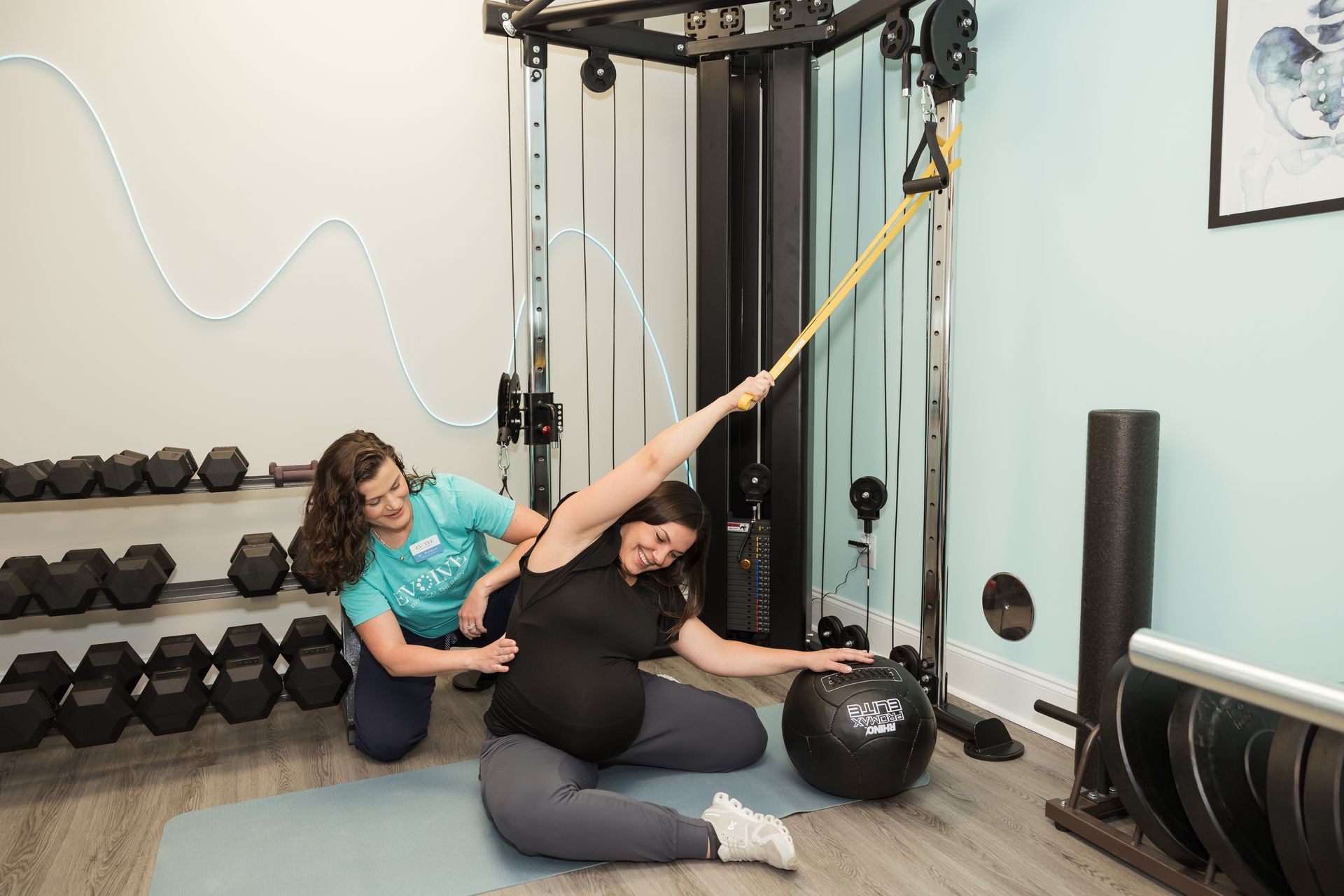
This is where pelvic floor physical therapy earns its keep. A skilled pelvic floor PT doesn't just hand you a pamphlet on Kegels and send you on your way. They assess how your diaphragm, deep core, hips, and pelvic floor are working together (or not working together) as a system. Many people with prolapse actually have pelvic floor muscles that are overly tense or poorly coordinated, not simply "weak," and doing generic Kegels in that case can make things worse, not better. A proper evaluation identifies your specific pattern of dysfunction, which is why self-directed exercise apps and generic advice so often fall short.
Now let's talk about strength training, because this is the piece that gets underemphasized. The pelvic floor is a muscle group, and muscles respond to the same principles of progressive overload as your biceps or your glutes. If you only ever do isolated, low-load pelvic floor contractions, you're training endurance and awareness, but you're not building the kind of resilient strength that holds up against real life: lifting a toddler, carrying groceries, sneezing hard, or getting back into running. Your pelvic floor doesn't operate in isolation. It works synergistically with your deep abdominal muscles, your glutes, and your diaphragm to manage the pressure that moves through your abdomen and pelvis all day long. When those surrounding muscle groups are weak, the pelvic floor gets stuck absorbing more load than it was designed to handle on its own.
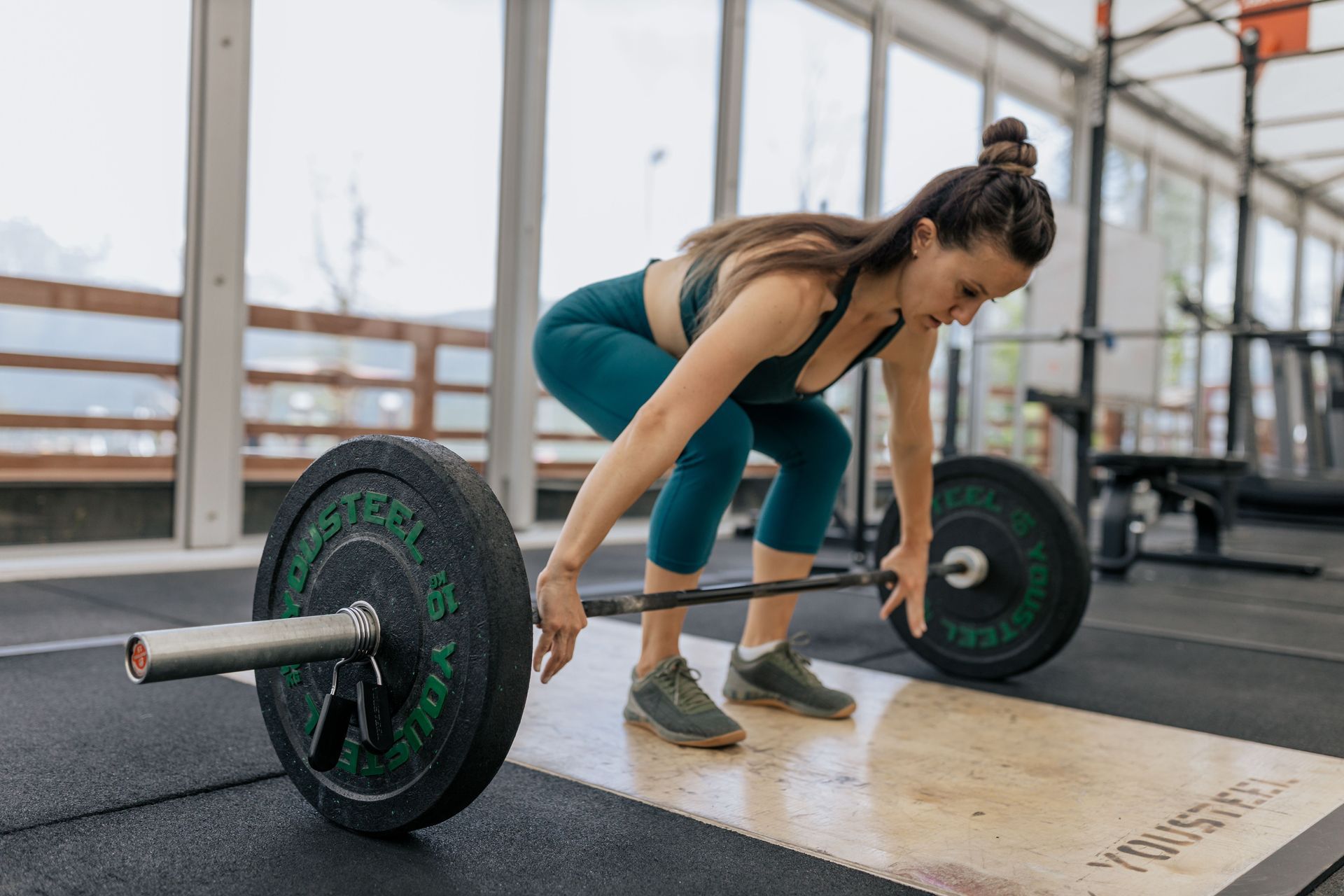
This is why a good pelvic floor PT program looks less like isolated Kegels and more like real strength training, just done thoughtfully and progressively. Think bodyweight squats, hip hinges, glute bridges, and eventually loaded exercises like deadlifts or step-ups, all coordinated with proper breathing mechanics so you're managing pressure instead of just bracing against it. Building strength in the hips, glutes, and deep core takes pressure off the pelvic floor and gives it the support it needs from the surrounding system, rather than asking it to compensate alone. Patients are often surprised to learn that lifting weights, done correctly, is not something to fear with prolapse. It can actually be one of the most protective things they do.
If you're dealing with symptoms of prolapse, whether that's a sense of heaviness, pressure, or visible bulging, know that this is common, and it's manageable. The goal of pelvic floor physical therapy isn't to avoid every strain for the rest of your life; it's to build a body capable of handling the demands you actually want to place on it, whether that's chasing your kids, returning to your favorite sport, or simply getting through your day without constant discomfort. Strength training, guided by someone who understands pelvic floor mechanics, is one of the most effective tools we have for getting you there. If this sounds like you, reach out to a pelvic floor physical therapist for an individualized evaluation. You deserve a plan built around your body, not a generic handout.
Click Here to Learn More About Prolapse