Stress Urinary Incontinence and Exercise: What You Need to Know
Urinary Leakage Pelvic Floor PT - Holly Springs, NC
Many women experience urine leakage during exercise, coughing, sneezing, laughing, or lifting.
While this can be frustrating and sometimes embarrassing, it is also very common—and most
importantly, it is treatable.
What Is Stress Urinary Incontinence?
Stress urinary incontinence (SUI) occurs when physical pressure inside the abdomen increases
and the pelvic floor muscles and supportive tissues are unable to adequately control the bladder
outlet. This can lead to urine leakage during activities such as:
Running
Jumping
Lifting weights
Coughing or sneezing
Sports and recreational activities
Although SUI is common, it is not considered a normal or inevitable part of aging, pregnancy,
childbirth, or exercise.
Common Misconceptions About Exercise and Leakage:
Myth #1: Leaking during exercise is normal.
While leakage is common among active women, it is a sign that the pelvic floor may not be
functioning optimally. Urine leakage should not be viewed as something you simply have to live
with.
Myth #2: I should stop exercising if I leak
Exercise is important for overall health and should not automatically be avoided. In many cases,
modifications, proper breathing strategies, and pelvic floor rehabilitation can help individuals
return to their desired activities with less or no leakage.
Myth #3: Kegels are the answer for everyone.
Pelvic floor muscle exercises can be effective, but not everyone needs more strengthening. Some
individuals have pelvic floor muscles that are overactive, poorly coordinated, or unable to relax
appropriately. A comprehensive evaluation by a pelvic floor physical therapist can determine the
most appropriate treatment approach.
What Does the Research Show?
Research consistently supports pelvic floor muscle training as a first-line treatment for stress
urinary incontinence. Studies have shown that targeted pelvic floor rehabilitation can
significantly reduce leakage episodes and improve quality of life.
However, successful treatment often involves more than isolated pelvic floor exercises. Evidence
suggests that factors such as breathing mechanics, pressure management, core muscle
coordination, movement patterns, and exercise technique all play important roles in pelvic floor
function.
Can High-Impact Exercise Cause Leakage?
Activities such as running, jumping, and certain sports place greater demands on the pelvic floor.
For some individuals, these activities may reveal an underlying pelvic floor dysfunction that was
already present rather than directly causing the problem.
Experiencing leakage during high-impact exercise does not necessarily mean you must stop
participating. A pelvic floor physical therapist can help identify contributing factors and develop
strategies to improve support and performance.
How Pelvic Floor Physical Therapy Can Help
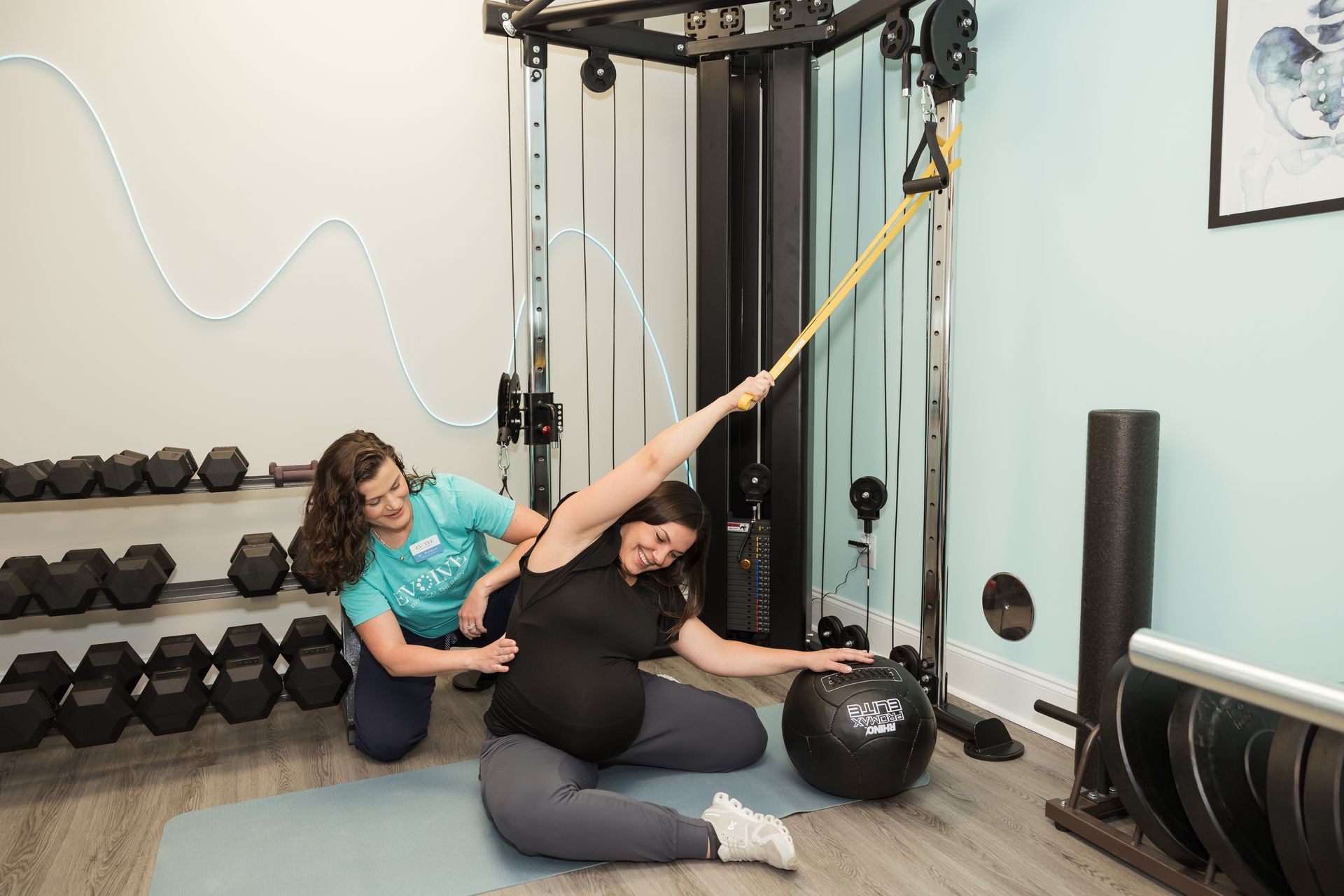
Pelvic floor physical therapy is a conservative, evidence-based treatment option that may
include:
Pelvic floor muscle assessment and training
Breathing and pressure management techniques
Core and hip strengthening
Exercise modifications
Education on bladder health and habits
Return-to-running or return-to-sport guidance
Treatment is individualized based on each person's symptoms, goals, and physical findings.
The Bottom Line
If you experience urine leakage during exercise, you are not alone and it is not something you
have to accept as normal. Stress urinary incontinence is common, but it is often highly treatable
with appropriate evaluation and rehabilitation.
If leakage is limiting your exercise, confidence, or daily activities, consider scheduling an
evaluation with a pelvic floor physical therapist. Early intervention can help you return to the
activities you enjoy while improving pelvic health and quality of life.
Learn More about Urinary Leakage