Understanding Urinary Incontinence, Urinary Frequency, and Urinary Urgency: What's the Difference?
Urinary Leakage Pelvic Floor PT, Holly Springs, NC
Many people experience bladder symptoms but aren't sure how to describe what they're feeling. Terms like urinary incontinence, urinary frequency, and urinary urgency are often used interchangeably, but they refer to different conditions. Understanding these differences is the first step toward finding the right treatment. The good news is that pelvic floor physical therapy can be highly effective for many bladder concerns!
What Is Urinary Incontinence?
Urinary incontinence is the involuntary leakage of urine. In other words, urine escapes when you don't intend for it to.
There are several types of urinary incontinence:
Stress Urinary Incontinence (SUI)
Stress urinary incontinence occurs when pressure inside the abdomen increases, causing urine leakage. This can happen during activities such as:
- Coughing
- Sneezing
- Laughing
- Running
- Jumping
- Lifting heavy objects
- Exercising
This type of leakage often happens because the pelvic floor muscles and connective tissues are not providing enough support to the bladder and urethra during increased pressure.
Urge Urinary Incontinence (UUI)
Urge urinary incontinence occurs when you experience a sudden, intense urge to urinate and cannot make it to the bathroom in time. Leakage may occur on the way to the toilet or immediately after feeling the urge.
This is often associated with an overactive bladder, where the bladder muscle contracts before it is actually full.
Mixed Urinary Incontinence
Some individuals experience both stress and urge urinary incontinence. This is called mixed urinary incontinence and requires treatment that addresses both contributing factors.
What Is Urinary Frequency?
Urinary frequency means urinating more often than is considered typical.
While everyone's bladder habits are different, most healthy adults urinate approximately every 2 to 4 hours during the day, or about 6 to 8 times in a 24-hour period, depending on fluid intake, medications, and overall health.
People experiencing urinary frequency may:
- Feel like they're always looking for a bathroom
- Urinate many small amounts throughout the day
- Wake up multiple times at night to urinate (called nocturia)
- Limit activities because they worry about bathroom access
Importantly, urinary frequency does not necessarily involve leakage. Someone may have frequent trips to the bathroom while remaining completely continent.
What Is Urinary Urgency?
Urinary urgency is the sudden, difficult-to-ignore need to urinate immediately.
Many patients describe urgency as:
- "It comes out of nowhere."
- "I have to drop everything."
- "If I don't find a bathroom right now, I might leak."
Urgency can occur with or without urinary leakage.
For many people, urgency becomes associated with certain triggers, including:
- Putting the key in the front door
- Running water
- Washing hands
- Standing up after sitting
- Seeing the bathroom
These situations can train the bladder and nervous system to send urgency signals before the bladder is actually full.
Why Do These Conditions Occur?
Bladder symptoms rarely have a single cause. Often, several factors contribute, including:
- Pelvic floor muscle weakness
- Pelvic floor muscles that are too tight or unable to relax
- Pregnancy and childbirth
- Menopause and hormonal changes
- Prostate surgery
- Aging
- Constipation
- Chronic coughing
- Heavy lifting
- Obesity
- Neurological conditions
- Bladder irritation from certain foods and beverages
- Habitually "just in case" bathroom trips
Because many different systems work together to control bladder function, identifying the underlying contributors is an important part of treatment.
How Are These Conditions Diagnosed?
A healthcare provider may diagnose urinary incontinence, urgency, or frequency based on:
- A detailed medical history
- Discussion of your symptoms
- Bladder diaries that track fluid intake and bathroom habits
- Physical examination
- Urinalysis to rule out infection
- Additional testing when necessary, such as imaging or urodynamic studies
Pelvic floor physical therapists also perform a comprehensive musculoskeletal evaluation to understand how the pelvic floor, hips, abdomen, breathing mechanics, posture, and core muscles may be contributing to bladder symptoms.
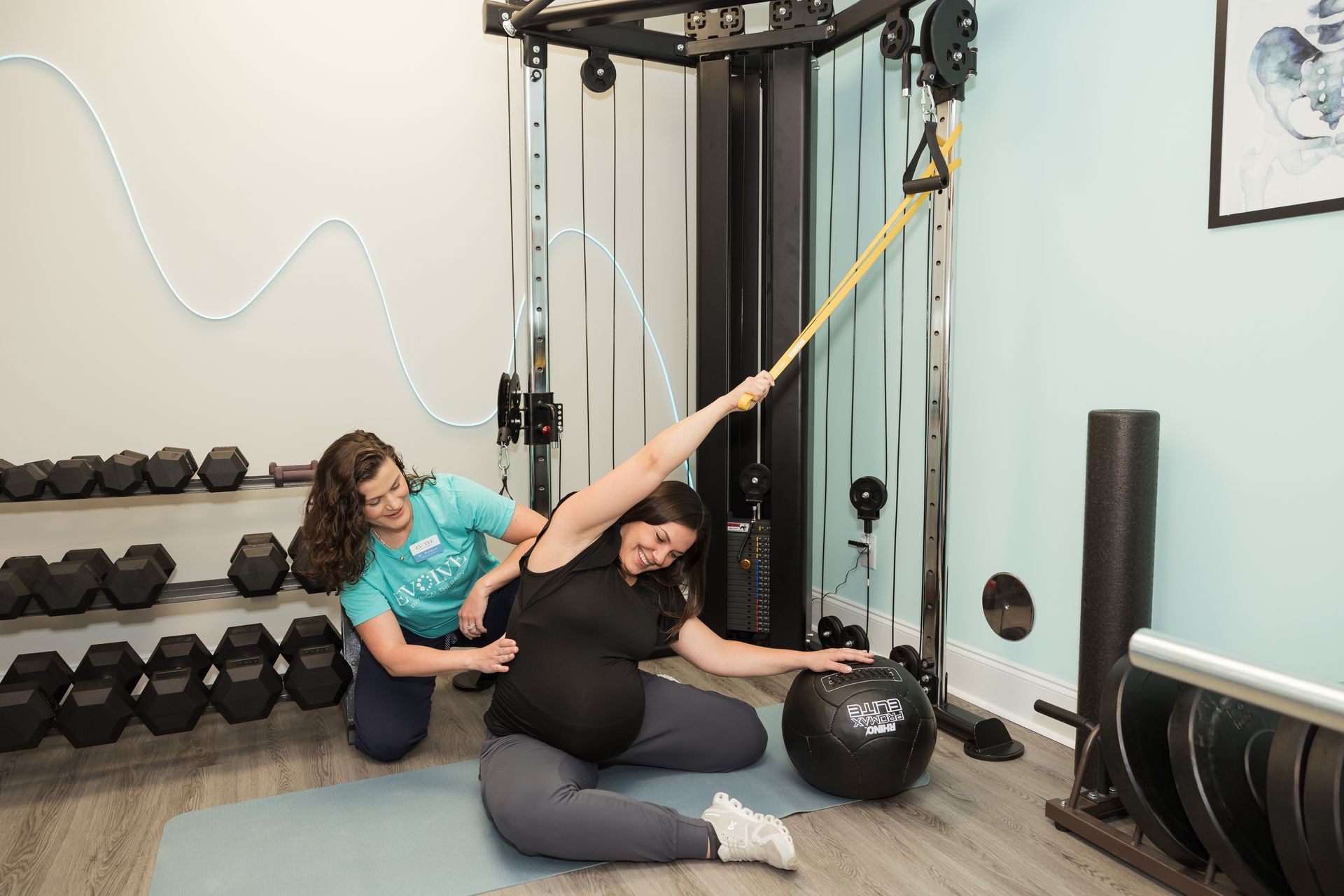
How Pelvic Floor Physical Therapy Can Help
Many people are surprised to learn that pelvic floor physical therapy is considered a first-line, conservative treatment for many bladder conditions.
Treatment is individualized and may include:
Pelvic Floor Muscle Assessment
Not all pelvic floor muscles are weak. Some are actually overactive or unable to relax. Your therapist will assess muscle strength, coordination, endurance, relaxation, and timing to determine the most appropriate treatment.
Pelvic Floor Muscle Training
If weakness is contributing to symptoms, we develop an exercise program to improve:
- Strength
- Endurance
- Coordination
- Timing during activities such as coughing, lifting, and exercise
The goal is to help the pelvic floor support the bladder when it needs to.
Bladder Retraining
For urgency and frequency, we often use bladder retraining techniques that gradually help the bladder tolerate appropriate filling and reduce unnecessary trips to the bathroom.
Patients learn strategies to delay urges safely while retraining communication between the bladder and the brain.
Urge Suppression Techniques
When urgency strikes, specific techniques can help calm the bladder rather than rushing immediately to the bathroom.
These may include:
- Pelvic floor contractions ("quick flicks")
- Breathing strategies
- Relaxation techniques
- Standing still rather than rushing
- Mental distraction techniques
These approaches help reduce the intensity of bladder urges over time.
Manual Therapy
If the pelvic floor muscles are tight, painful, or unable to relax, hands-on treatment may be used to improve muscle mobility, reduce tension, and restore normal function.
Education
Understanding normal bladder function is often one of the most powerful treatments.
We provide education on:
- Healthy bladder habits
- Fluid intake
- Bladder irritants (such as caffeine, alcohol, and carbonated beverages)
- Bowel health and constipation management
- Proper breathing and pressure management
- Lifestyle modifications that support bladder health
Functional Movement Training
Many bladder symptoms occur during daily activities. Physical therapy incorporates exercises and movement strategies that help patients control bladder symptoms while lifting, exercising, walking, running, or caring for children.
When Should You Seek Help?
Bladder symptoms are common, but they are not something you simply have to accept as a normal part of aging, childbirth, or surgery.
You may benefit from a pelvic floor physical therapy evaluation if you:
- Leak urine during daily activities or exercise
- Feel sudden urges that are difficult to control
- Urinate much more frequently than you'd like
- Wake multiple times each night to urinate
- Avoid travel, exercise, or social activities because of bladder concerns
- Wear pads because of bladder leakage
- Feel like your bladder symptoms are affecting your quality of life
The earlier these concerns are addressed, the easier they often are to treat.
The Bottom Line
Urinary incontinence, urinary frequency, and urinary urgency are related but distinct conditions. Some people experience only one of these symptoms, while others experience a combination.
The good news is that effective, evidence-based treatment is available. Pelvic floor physical therapy addresses the muscles, habits, movement patterns, and nervous system factors that influence bladder function. Through individualized assessment and treatment, many patients experience fewer symptoms, greater confidence, and an improved quality of life.
If bladder symptoms are limiting your daily activities, know that help is available. You don't have to live with leakage, constant bathroom trips, or the fear of not making it to the restroom in time.
If you'd like, I can also adapt this into a more SEO-focused version (targeting keywords like "pelvic floor therapy for urinary incontinence" and "overactive bladder treatment"), or make it more conversational to better match your clinic's brand voice.