Heavy Lifting and Pelvic Organ Prolapse: Do I Need To Stop Lifting
Prolapse Pelvic Floor PT in Holly Springs, NC
Heavy Lifting and Pelvic Organ Prolapse: Do You Have to Stop Lifting?
If you experience pelvic heaviness, pressure, or a vaginal bulge, you may have been told to avoid heavy lifting. It is understandable to wonder: Do I really need to stop lifting weights?
The short answer is: not necessarily.
Does Lifting Cause Pelvic Organ Prolapse?
Pelvic organ prolapse (POP) occurs when the tissues supporting the pelvic organs provide less support than usual. Symptoms may include vaginal pressure or heaviness, a sensation of bulging, or changes in bladder or bowel function.
Research on heavy lifting and prolapse is still developing. While activities that involve heavy or repetitive lifting can place increased demands on the pelvic floor, this does not mean that lifting will automatically cause prolapse or make an existing prolapse worse.
In fact, research examining women who regularly participate in heavy weightlifting has not found that heavy lifting necessarily results in more prolapse symptoms.
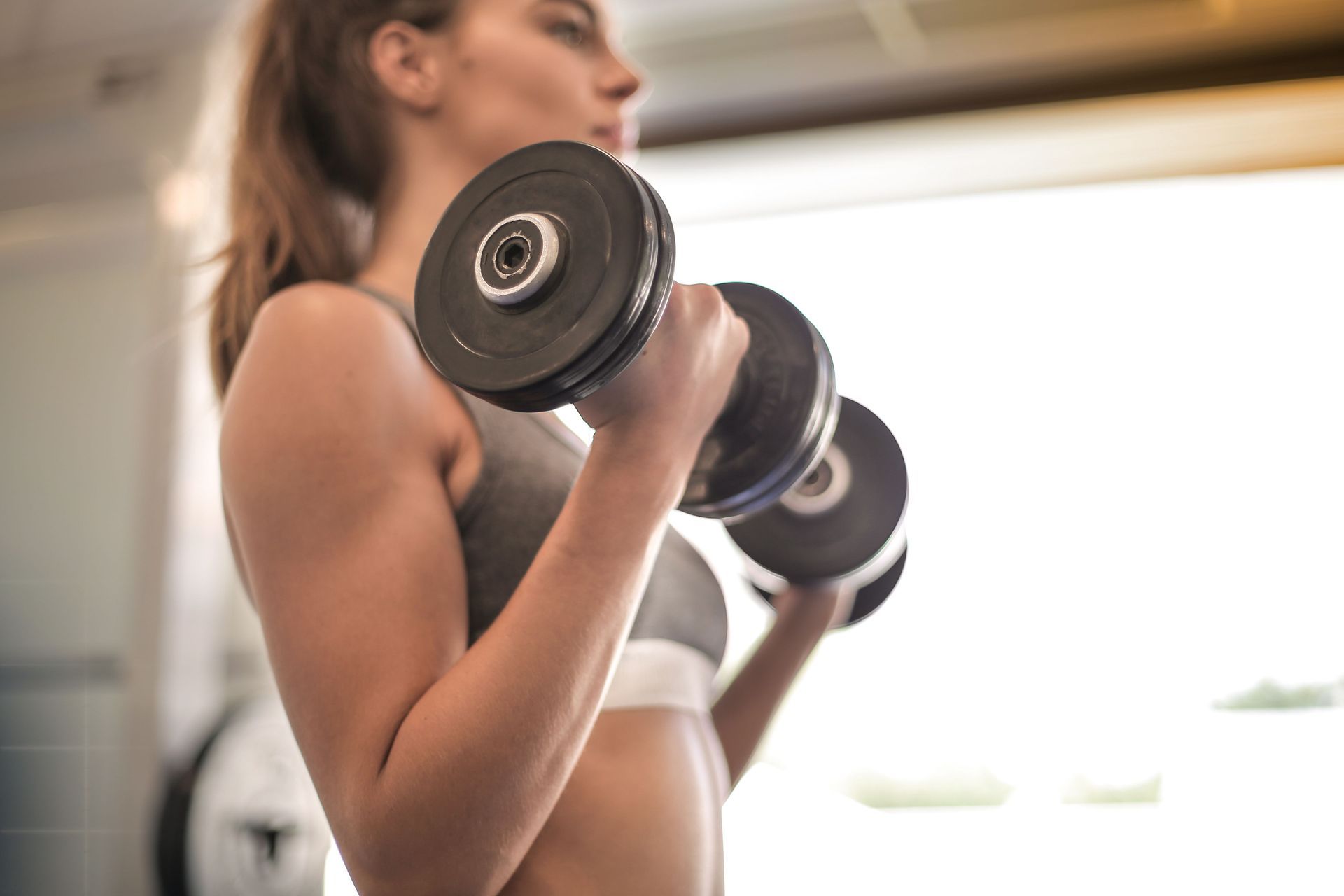
Can I Keep Lifting?
For many people, the goal is not to eliminate lifting, but to build the capacity to lift in a way that your body tolerates well.
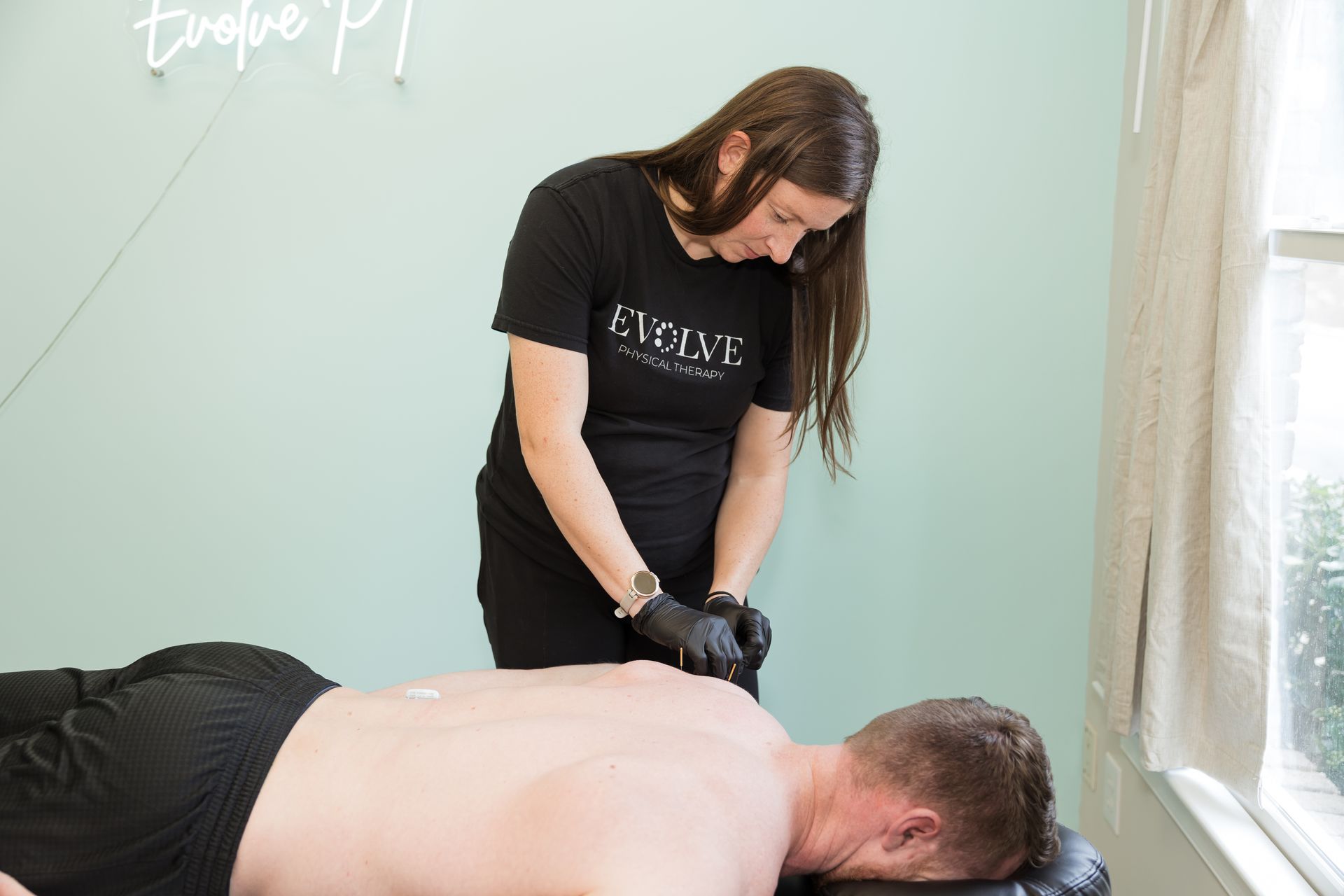
A pelvic floor physical therapist can help you:
- Learn strategies for managing pressure during lifting.
- Coordinate your breathing with movement.
- Gradually build strength and lifting capacity.
- Modify exercises based on your symptoms.
- Determine appropriate starting loads and progressions.
- Develop strategies for everyday lifting, such as picking up children, groceries, or laundry.
Your symptoms can provide helpful information. If a particular activity consistently causes increased heaviness, pressure, or bulging, that may be a sign that the activity or intensity needs to be modified.
What About Pelvic Floor Exercises?
Pelvic floor muscle training is a commonly recommended conservative treatment for pelvic organ prolapse. Research has shown that appropriately prescribed pelvic floor muscle training can improve prolapse symptoms and may improve the degree of prolapse in some individuals.
However, more pelvic floor squeezing is not always better.
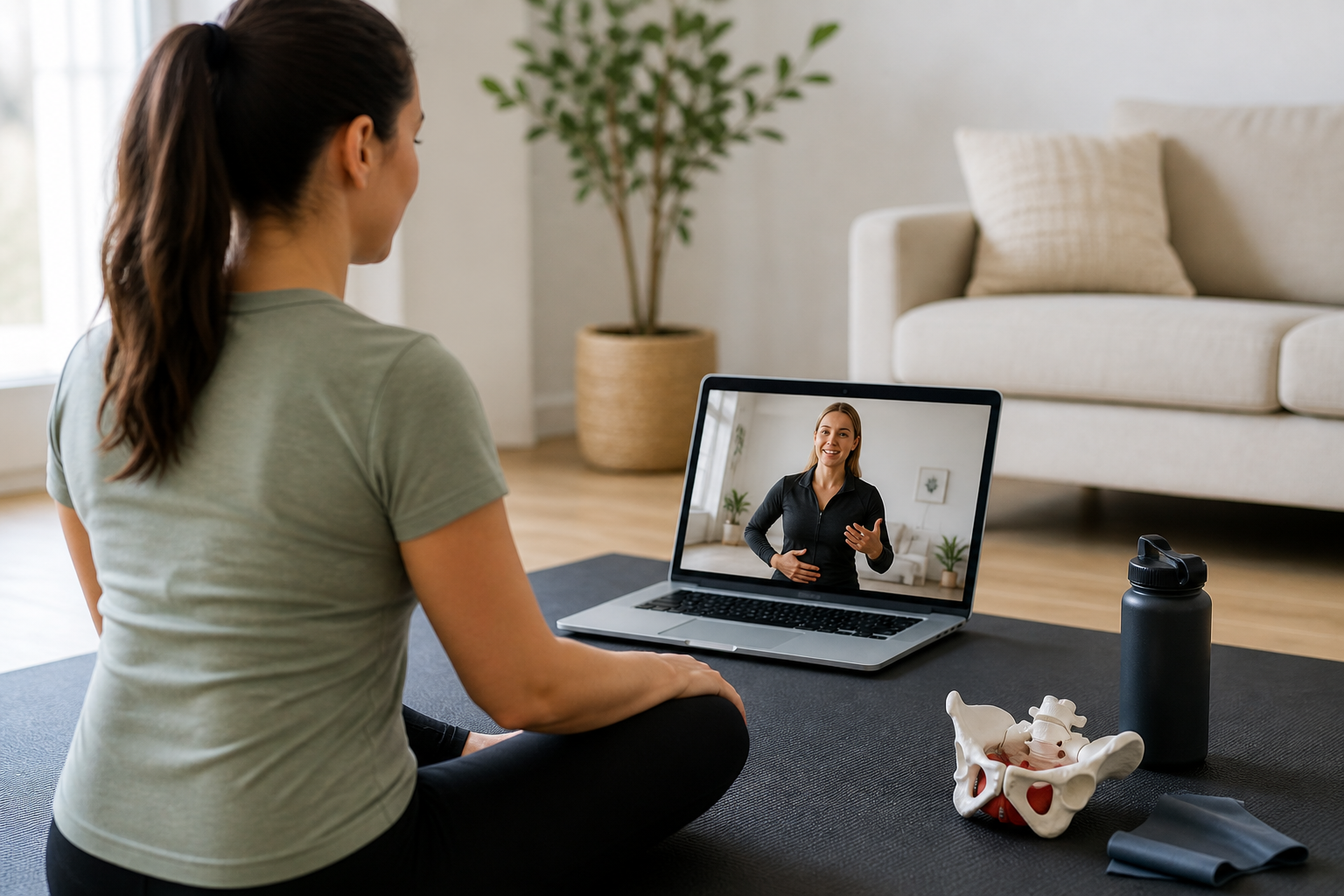
Your pelvic floor needs to be able to contract, relax, lengthen, and coordinate with your breathing and whole-body movement. A pelvic floor physical therapist can assess how your pelvic floor is functioning and determine what type of training is appropriate for you.
The Bottom Line
A diagnosis of pelvic organ prolapse does not automatically mean you have to give up strength training or heavy lifting.
Instead of asking, “What weight am I allowed to lift?”, consider asking:
“How can I safely build my capacity to do the things I enjoy and need to do?”
With individualized guidance, many people with pelvic organ prolapse can continue participating in exercise and strength training while managing their symptoms.
If pelvic heaviness or prolapse symptoms are limiting your activities, a pelvic floor physical therapy evaluation can help you understand your symptoms and develop an individualized plan.
This article is for educational purposes only and is not a substitute for an individualized medical or physical therapy evaluation.
Sources
- Forner LB, et al. Symptoms of pelvic organ prolapse in women who lift heavy weights for exercise. International Urogynecology Journal. 2020.
- Elliott CS, et al. Strenuous physical activity, exercise, and pelvic organ prolapse: a narrative scoping review. International Urogynecology Journal. 2023.
- Hagen S, et al. Pelvic floor muscle training for treatment of pelvic organ prolapse in women. Cochrane Database of Systematic Reviews. 2016.
- International Urogynecological Consultation. Evidence-based recommendations regarding pelvic floor muscle training and conservative management of pelvic organ prolapse.