
Low Back Pain
Physical Therapy Holly Springs, NC
Expert Physical Therapy for Lasting Relief
Low back pain is one of the most common reasons people seek care, but not all treatment is the same.
At Evolve Physical Therapy, we take a one-on-one, root-cause approach to help you move better, reduce pain, and get back to the activities you love.
Whether your pain is new or something you’ve been dealing with for years, our Doctors of Physical Therapy provide personalized, hands-on care designed to actually fix the problem, not just manage symptoms.
Low Back Pain Conditions We Treat:
Click To Learn More
Lumbar Strain / Sprain
A lumbar strain or sprain involves injury to the muscles (strain) or ligaments (sprain) of the lower back, typically due to sudden overload, repetitive stress, or poor lifting mechanics.
Common Symptoms:
- Localized low back pain and stiffness
- Pain with movement (bending, lifting, twisting)
- Muscle spasms or guarding
- Difficulty maintaining upright posture
How Physical Therapy Helps:
- Reduces muscle guarding and restores normal movement early
- Identifies faulty movement patterns that led to injury
- Progressively reloads tissue to improve resilience
- Builds core and hip strength to prevent recurrence
The key is not just “rest”, it’s guided reloading and movement correction
Herniated or Bulging Disc
Intervertebral discs act as cushions between vertebrae. A bulging disc occurs when the disc protrudes outward, while a herniated disc involves a tear allowing inner material to press on nearby nerves.
Common Symptoms:
- Low back pain with possible leg pain
- Numbness or tingling down the leg
- Weakness in the leg or foot
- Pain worsened by sitting or bending forward
How Physical Therapy Helps:
- Uses directional movement strategies (e.g., extension-based exercises) to centralize symptoms
- Reduces pressure on the nerve root
- Improves spinal mechanics and load distribution
- Strengthens stabilizers to prevent recurrence
Many disc issues improve without surgery when treated appropriately with physical therapy
Degenerative Disc Disease
Despite the name, this is not a true “disease” but a natural age-related change where discs lose hydration and elasticity, leading to reduced shock absorption.
Common Symptoms:
- Chronic, deep aching low back pain
- Stiffness, especially after inactivity
- Pain with prolonged sitting or standing
- Occasional flare-ups
How Physical Therapy Helps:
- Improves spinal mobility and segmental movement
- Strengthens surrounding musculature to offload discs
- Teaches activity modification to reduce flare-ups
- Builds long-term movement resilience
Movement is critical for managing degeneration "Motion is Lotion"
Sciatica (Nerve Root Compression)
Sciatica refers to irritation or compression of the sciatic nerve, often caused by a disc issue or spinal narrowing.
Common Symptoms:
- Radiating pain from the low back into the buttock and leg
- Burning, tingling, or “electric” sensations
- Pain worsened by sitting or prolonged positions
- Possible weakness in the leg
How Physical Therapy Helps:
- Reduces nerve sensitivity and irritation
- Uses nerve gliding techniques to restore mobility
- Improves posture and spinal alignment
- Addresses the underlying cause (disc, stenosis, etc.)
Treating the source of compression is key, not just putting a Band-Aid on the symptoms
Facet Joint Dysfunction
Facet joints are small joints in the spine that guide motion. When irritated, they can become stiff, inflamed, or painful. For example: "I woke up with a crick in my neck"
Common Symptoms:
- Localized low back pain (often one-sided)
- Pain with extension (leaning backward)
- Stiffness after inactivity
- Pain with rotation or twisting
How Physical Therapy Helps:
- Restores joint mobility through manual therapy
- Improves segmental spinal movement
- Strengthens stabilizing muscles
- Reduces compensatory movement patterns
Often misdiagnosed as “muscle pain” when it’s actually a joint issue
Sacroiliac (SI) Joint Dysfunction
The SI joint connects the sacrum to the pelvis and plays a critical role in load transfer between the upper body and legs.
Common Symptoms:
- Pain near one side of the lower back or buttock
- Pain with standing, walking, or single-leg activities
- Feeling of instability or “locking”
- Pain that mimics sciatica but without true nerve involvement
How Physical Therapy Helps:
- Improves pelvic stability and symmetry
- Strengthens glutes and deep core muscles
- Corrects movement imbalances
- Uses manual therapy to reduce irritation
People with SIJ need more stability than mobility! Stretching and mobility work may make the pain worse.
our Evaluatin for S
Spondylolisthesis
This condition occurs when one vertebra slips forward relative to another, creating instability in the spine.
Common Symptoms:
- Low back pain with activity
- Tight hamstrings
- Feeling of instability
- Possible nerve symptoms if compression occurs
How Physical Therapy Helps:
- Focuses on core stabilization and control
- Avoids excessive spinal extension stress
- Improves movement mechanics
- Builds strength to support spinal alignment
Stability and control are the foundation of treatment
Pelvic Floor Dysfunction (Contributing to Low Back Pain)
The pelvic floor is a key component of the core system, working with the diaphragm, abdominals, and back muscles. Low back pain caused by pelvic floor dysfunction is usually missed with traditional PT!
Common Symptoms:
- Persistent low back or pelvic pain
- Core weakness or instability
- Pain with prolonged standing or activity
- Urinary symptoms (sometimes present)
How Physical Therapy Helps:
- Restores coordination between pelvic floor and core
- Improves pressure management
- Addresses underlying stability issues
- Integrates pelvic floor into functional movement
This is often the missing link in chronic low back pain
Post-Surgical Rehabilitation (Spinal Fusion, Discectomy, etc.)
After surgery, the spine needs guided, progressive loading to restore function safely.
Common Symptoms Post-Surgery:
- Stiffness and reduced mobility
- Weakness and deconditioning
- Fear of movement
- Residual pain
How Physical Therapy Helps:
- Restores mobility in a safe, staged progression
- Rebuilds strength and confidence
- Improves movement quality
- Reduces risk of future injury or reoperation
Surgery is just the initial step, physical therapy is needed to prevent the original issue from returning due to mechanical or movement issues
Low Back Pain FAQ
What causes low back pain?
Low back pain can come from a variety of sources including muscle strain, herniated discs, sciatica, joint dysfunction, poor posture, or underlying movement issues. In many cases, it’s not just one structure. It is usually caused by how your body is moving and handling load over time.
When should I see a physical therapist for low back pain?
You should consider seeing a physical therapist if:
- Your pain lasts more than a few days
- Pain is limiting your ability to move, exercise, or work
- You’re experiencing radiating pain, numbness, or tingling
- You’ve had recurring episodes of back pain
- Early treatment can help prevent your pain from becoming chronic.
Can physical therapy really help low back pain?
Yes! Physical therapy is one of the most effective, evidence-based treatments for low back pain. It addresses the root cause of your pain, not just the symptoms, through movement, strengthening, and hands-on care.
Many patients experience significant improvement without needing medications, injections, or surgery.
How does physical therapy treat low back pain?
Physical therapy treatment is tailored to you but often includes:
- Targeted exercises to improve strength and stability
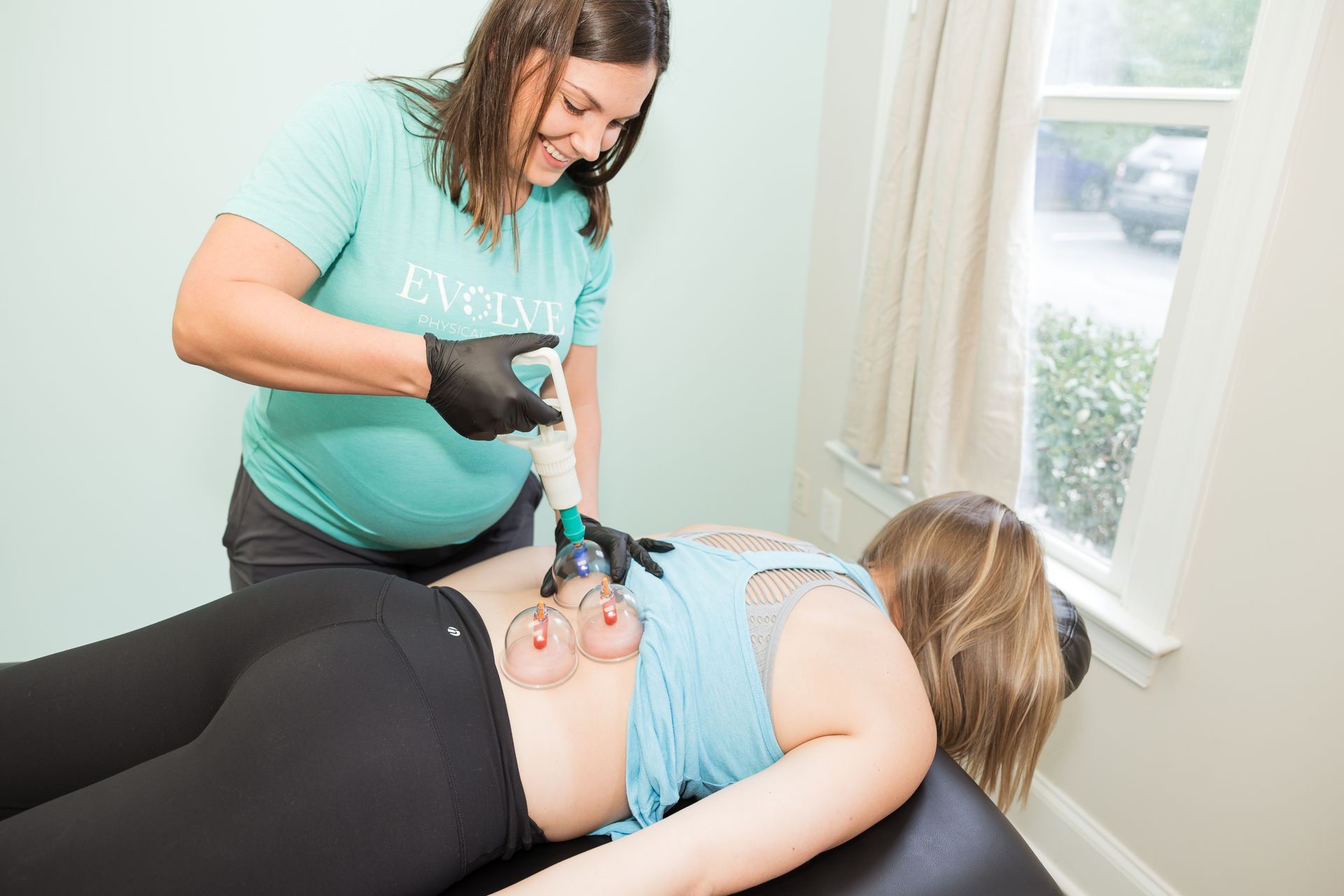
- Hands-on manual therapy to reduce pain and improve mobility
- Movement and posture correction
- Education on how to prevent future flare-ups
- The goal is to help you move better, feel better, and stay pain-free long-term.
How long does it take to get better?
This depends on the cause and severity of your condition. Some patients feel relief within a few sessions, while others with more chronic or complex issues may take several weeks.
Your physical therapist will create a personalized plan and timeline based on your goals.
Do I need imaging (MRI or X-ray) before starting physical therapy?
In most cases, no. Many low back pain conditions can be accurately assessed through a detailed movement evaluation.
Imaging is typically only necessary if there are signs of more serious conditions or if symptoms are not improving as expected. You do not need imaging to come see us. Most times your physical therapist can figure out the root cause without imaging.
Can physical therapy help sciatica or nerve pain?
Yes. Physical therapy is highly effective for treating sciatica and nerve-related pain.
Treatment focuses on:
- Reducing pressure on the nerve
- Improving spinal mechanics
- Restoring normal movement
- Decreasing pain that radiates down the leg
Is it better to rest or stay active with low back pain?
In most cases, staying active is better than prolonged rest. Movement helps improve circulation, reduce stiffness, and promote healing.
A physical therapist will guide you on what movements are safe and beneficial for your specific condition.
Can physical therapy help me avoid surgery?
Yes! Many conditions like herniated discs, sciatica, and degenerative changes respond very well to physical therapy.
Conservative care is often recommended before considering surgical options, and many patients are able to fully recover without surgery.
What makes your clinic different for treating low back pain?
At Evolve Physical Therapy, we provide:
- One-on-one sessions with a Doctor of Physical Therapy
- A root-cause, movement-based approach
- Hands-on treatment combined with strength and mobility work
- Expertise in both orthopedic and pelvic floor physical therapy
- We don’t just treat symptoms, we help you build a stronger, more resilient body.
Can pelvic floor issues contribute to low back pain?
Yes! The pelvic floor is a key part of your core system and plays a major role in stability.
If it’s not functioning properly, it can contribute to ongoing low back pain. Addressing pelvic floor dysfunction can often be the missing piece in recovery.
Do you treat pregnancy-related low back pain?
Yes! We specialize in helping pregnant women manage back and pelvic pain safely.
Treatment focuses on:
- Reducing discomfort
- Improving core and pelvic support
- Preparing your body for labor and delivery
Do I need a referral to start physical therapy?
In North Carolina, you do not need a referral for physical therapy. We are direct access!
How do I get started?
Getting started is simple.
Schedule a one-on-one evaluation and we’ll:
Identify the root cause of your pain
Build a personalized treatment plan