A Positive VBAC Experience!

Dr. Rebecca Acevedo, PT, DPT • June 12, 2025

A Client Success Story!


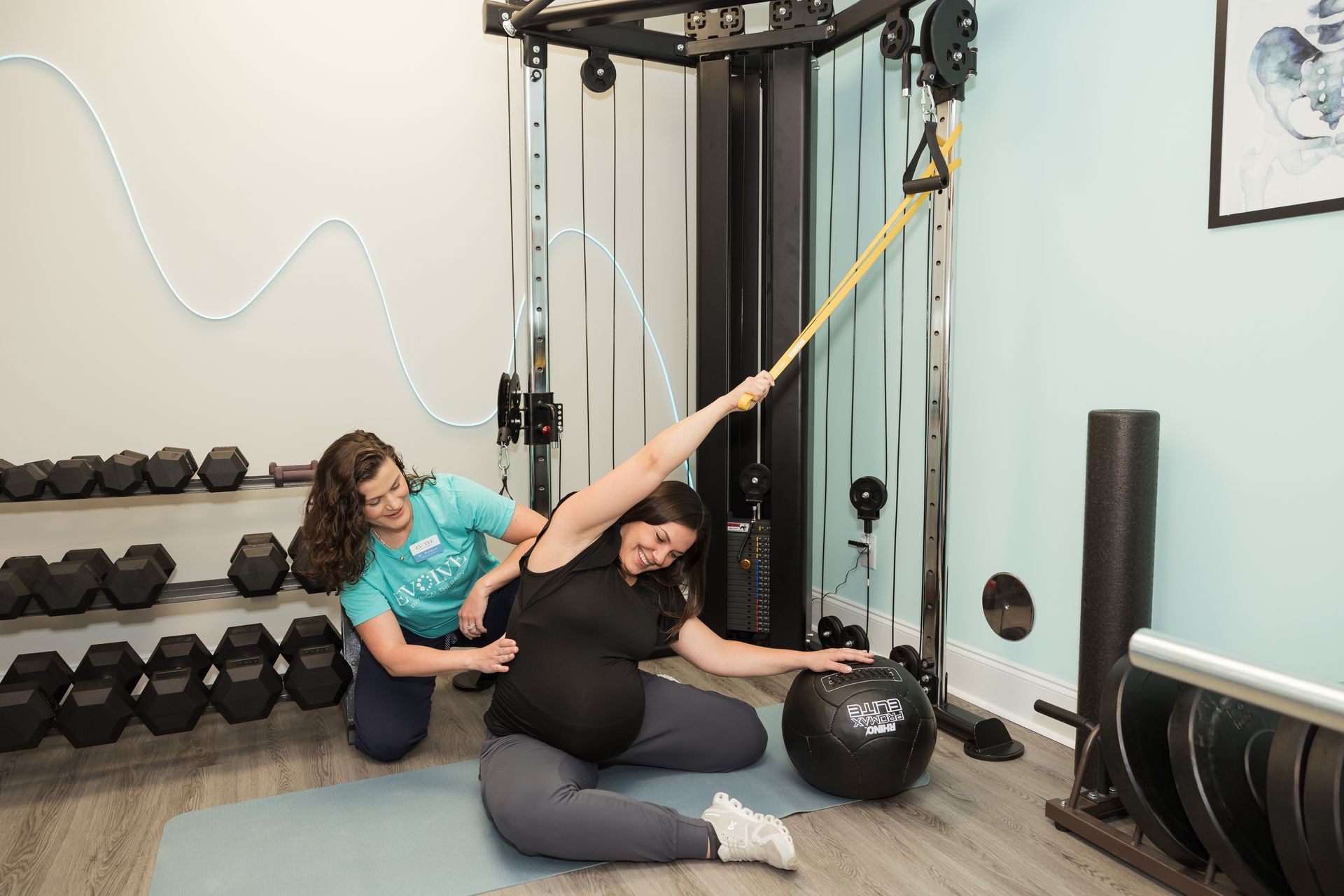
This week, I want to highlight one of my birth prep clients who came to me at 36 weeks pregnant with the goal of a VBAC (vaginal birth after Cesarean). During the labor and delivery of her first two children, the position of the baby was suboptimal and ultimately led to a failure to progress with pushing, leading to two C-sections. For her third child, she was determined to learn and prepare her body as much as possible in hopes of a vaginal delivery.


Over the course of our 1x/week sessions for 4 weeks, we worked to improve the mobility of her hips, pelvis, and lumbosacral spine with gentle joint mobilizations, PNF stretching, cupping, scraping and myofascial release techniques. We addressed tightness of the adductors, hamstrings, quadratus lumborum, lumbar paraspinals, diaphragm, piriformis and gluteals that were contributing to lumbopelvic pain and mobility restrictions. The sidelying release technique from Spinning Babies was one of her favorites each session, as it was hard to find time with her partner to recreate the effective stretch at home. Her stretching program focused on improving pelvic inlet, mid pelvis, and pelvic outlet mobility combined with diaphragmatic breathing to optimize baby’s position in the weeks leading up to and throughout labor. 


When we started push practice, her initial strategy was to hold her breath, engage the core and tighten the pelvic floor. During the internal pelvic floor assessment, there was notable tightness and pain limiting the ability to effectively coordinate pelvic floor muscle lengthening and expansion, which are crucial for a vaginal delivery. After manual release techniques and teaching her how to use a pelvic wand for self-release at home, the tenderness and pain of her pelvic floor resolved, allowing her to improve her ability to lengthen and relax the pelvic outlet. 

After working together, we were able to improve her coordination to where she could exhale, engage the abdominals and expand the pelvic floor in a variety of delivery positions suitable for with or without an epidural. 


She had a calm confidence at her last visit and told me how prepared she felt this time compared to her first two deliveries. Whatever happened, she knew that she had done everything possible to optimize her outcome because she invested in her knowledge and physical preparation. Ultimately, she went into spontaneous labor and was able to achieve the vaginal delivery after two Cesareans that she had hoped for! Mom & baby are both healthy and we are looking forward to seeing them back in the clinic to start postpartum rehab. 


Bringing babies from the womb to the world is a wild experience that is largely out of our control, but we know that knowledge and preparation empower outcomes. Even if things don’t go exactly as we hope, increasing our awareness in advance improves advocacy and can change the trajectory of our responses, leading to less birth trauma carried into the future. 


Dr. Rebecca Acevedo, PT, DPT

Evolve Physical Therapy


Learn More About Birth Prep! Book Your Birth Prep Session
By Dr. Molly Pierson, PT, DPT December 8, 2025
Holly Springs Physical Therapy For Low Back Pain
By Dr. Rebecca Acevedo, PT, DPT September 26, 2025
Physical Therapy for Plantar Fasciitis in Holly Springs, NC
By Dr. Molly Pierson, PT, DPT September 22, 2025
Holly Springs Physical Therapy For Orthopedic Injuries
By Dr. Rebecca, PT, DPT September 10, 2025
Birth Preparation Holly Springs, NC
By Dr. Molly Pierson, PT, DPT September 3, 2025
Typically, once people get into their 3rd trimester of pregnancy, they focus on winding down, resting, and focusing more on stretching. While stretching is helpful, there is more you can do in your 3rd trimester to better prepare for labor, delivery, and recovery after childbirth. Birth prep physical therapy during the third trimester (weeks 28–40) focuses on helping the body prepare for labor and delivery, relieve discomfort, and support postpartum recovery. Here's what it typically includes: Optimize Pelvic Alignment & Mobility Encourages smoother fetal positioning and reduces chances restrictions from your pelvis and surrounding structures. This can include incorporating different positions to help open up different areas of the pelvis, which allow for a smooth transition as the baby moves through the pelvis. Reduce Pain & Discomfort Targets low back pain, pelvic girdle pain, sciatica, and round ligament pain as the baby continues to grow. Diaphragmatic breathing to help manage labor pain and regulate intra-abdominal pressure Prepare Muscles & Tissues for Labor Pelvic floor coordination and perineal mobility can ease labor and reduce tearing risk. Learning to engage abdominal muscles to assist with pushing. Gentle core exercises for transverse abdominis support. Empowerment Through Education Helps you understand pushing mechanics, breathing techniques, and labor positions. This can include: Pelvic Floor Work Focus is on coordination between diaphragm, pelvic floor muscles, and abdominal Learning how to relax the pelvic floor (just as important as contracting it). Gentle perineal massage techniques (usually after 34 weeks). Postural Adjustments & Alignment Body mechanics for daily life (getting out of bed, lifting other children, etc.). Pelvic tilts, cat-cow, and modified squats to maintain mobility. Laboring positions and strategies for fetal positioning Practice labor positions using birth balls, stools, or partner-assisted techniques. Learn strategies for optimal fetal positioning (like Spinning Babies techniques). Manual Therapy Myofascial release, sacral mobilization, and soft tissue work to relieve tension. Addressing hip or SI joint pain. Ultimately, birth prep is tailored to the needs of the mother and her goals when it comes to her birthing experience. The items listed above are just a snapshot of techniques that can be incorporated into sessions to help one become more educated and aware of what the birth experience may encompass, as well as address aches and pains along the way.
By Dr. Rebecca Acevedo, PT, DPT August 14, 2025
Patient Knee Pain Success Story - Physical Therapy Holly Springs, NC
By Dr. Molly Pierson, PT, DPT August 14, 2025
Evolve Physical Therapy in Holly Springs, NC
By Dr. Molly Pierson, PT, DPT August 6, 2025
Dry Needling in Holly Springs, NC
By Dr. Rebecca Acevedo August 1, 2025
There are three primary categories to classify joint mobility: normal mobility, hypermobile, or hypomobile. Hypermobile joints are classified as those that exceed the normative range of motion values. While being extra flexible sounds advantageous, it also requires increased strength and coordination through a larger than usual range of motion. When considering the stability of a joint, there are passive structures such as the shape of the bones, ligaments, joint capsules, labrum and bursa which help the joint maintain its alignment without muscular activation. Dynamic stability of a joint comes from the nervous system working together with our muscles to create smooth and efficient movements. With hypermobile joints, we can work to protect them by improving their dynamic stability through their large range of motion to help reduce risk of injury. Joint hypermobility is also a common presentation in patients with genetic connective tissue disorders such as Ehlers-Danlos Syndromes. Some patients with EDS may experience frequent subluxations, sprains and dislocations due to the instability of their joints. Because of the compromise to their passive stabilizers, sometimes patients with EDS will present with complaints of muscular tightness that truly are stemming from decreased muscular flexibility, as the muscles have been essentially working double time to create stability. A common complaint I often hear from patients is “feeling tight.” But when we check their active and passive range of motion and muscular flexibility, their mobility is above average. Instead, their symptoms of tightness are often caused by muscular weakness, poor endurance, or suboptimal coordination. One treatment strategy I like to try is dry needling with electrical stimulation for pain modulation and improved activation of the targeted muscle’s motor unit, followed by neuromuscular stabilization and strengthening activities to provide long term benefits. Although joint manipulations and stretching feel good at the moment, these treatments are essentially reinforcing excessive mobility in already hyper flexible joints. As Uncle Ben warned Peter Parker (aka Spider Man), “With great power comes great responsibility.” If you have the superpower of being extra bendy, then take into consideration the increased demand on your neuromuscular system to keep your joints stable, and train accordingly! Dr. Rebecca Acevedo, PT, DPT - Holly Springs, NC Physical Therapy
By Dr. Molly Pierson, PT, DPT July 30, 2025
If you’ve ever felt pain in your jaw, heard a clicking sound when you chew, or experienced headaches that seem to start near your ears, you may be dealing with temporomandibular dysfunction, or TMD. This often-overlooked condition affects the temporomandibular joint (TMJ)—the hinge that connects your jaw to your skull and plays a critical role in everyday activities like eating, speaking, and yawning. What Is Temporomandibular Dysfunction? Temporomandibular dysfunction (TMD) is a broad term that refers to disorders affecting the jaw joint and surrounding muscles. The TMJ is one of the most complex joints in the body, allowing both hinge and sliding movements, which allows the jaw to open and close, slide forward/backward, and side-to-side. When something goes wrong with the muscles, ligaments, or joint surfaces, TMD symptoms can develop. Common Symptoms of TMD: Jaw pain or tenderness with opening or closing the jaw Clicking, popping, or grinding sounds when opening or closing the mouth Difficulty chewing or locking of the jaw Headaches and neck pain Facial pain or fatigue What Causes TMD? TMD can be caused by a variety of factors, including: Teeth grinding or clenching (bruxism) Stress and tension leading to muscle tightness Poor posture, particularly in the neck and upper back Injury to the jaw, neck, or head Arthritis or degenerative joint changes Dental issues, such as bite misalignment How Physical Therapy Helps with TMD Physical therapy is a conservative treatment option that can significantly improve TMJ function and reduce pain. A physical therapist trained in TMJ disorders will assess not only your jaw, but also your neck, posture, and muscle patterns to create a personalized treatment plan. Some of the benefits of physical therapy for TMD include: 1. Pain Relief Manual therapy techniques, including soft tissue massage and joint mobilization, can reduce muscle tension and inflammation in the jaw and surrounding areas. 2. Improved Jaw Mobility Therapists use specific exercises to restore normal movement to the jaw, helping to reduce clicking, locking, or restricted motion. 3. Postural Correction Forward head posture and strength deficits of muscles surrounding the spine can put extra stress on the TMJ. PT can help you improve you strength key postural muscles and reduce the strain on your jaw. 4. Muscle Strength and Balance Therapeutic exercises can improve the strength and coordination of the muscles that control jaw movement, reducing dysfunction and recurrence. 5. Stress Reduction Techniques Since stress is a major contributor to jaw clenching and muscle tension, PT often includes relaxation techniques and education on how to manage these habits. Final thoughts If you’re experiencing jaw pain, popping, or limited mobility that lasts more than a couple of weeks, or if you’ve been diagnosed with TMD by your dentist or physician, physical therapy could be a valuable part of your recovery.Temporomandibular dysfunction can have a major impact on your quality of life, but it’s highly treatable—especially when addressed early. Physical therapy offers a safe and effective approach to managing TMD, restoring normal function to your jaw, and helping you return to a pain-free life. References U.S. Department of Health and Human Services. (February 2025.). TMD (temporomandibular disorders) . National Institute of Dental and Craniofacial Research. https://www.nidcr.nih.gov/health-info/tmd